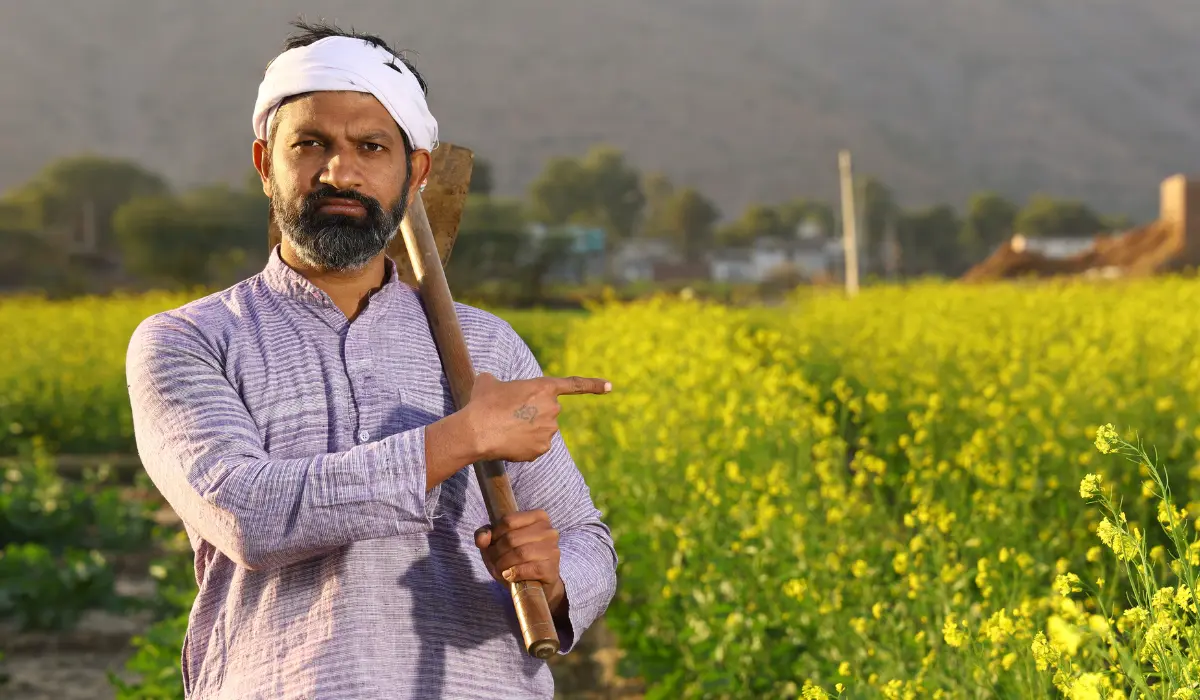
In an era where agriculture faces unpredictable markets, rising costs, and climate-related disruptions, a growing number of beginning farmers are proving that sound financial management can turn the odds in their favor.
Across several states, new and returning producers, from young entrepreneurs to midlife “boomerangers” reentering the industry, are adopting disciplined financial strategies that not only stabilize their operations but also lay the groundwork for long-term growth.
At a recent series of workshops led by agricultural economist David Kohl, participants in beginning farmer programs demonstrated a notable shift in how they approach business management.
Their habits reveal a pragmatic, data-driven mindset uncommon in earlier generations of farmers who often relied on instinct or experience alone.
The findings highlight three essential financial practices that are transforming how today’s producers manage risk, make decisions, and stay competitive: tracking financial performance, mastering cash flow, and executing strong marketing and risk management plans.
1. Tracking Financial Performance: Turning Data Into Direction
Roughly two-thirds of the producers in Kohl’s sessions showed a solid grasp of their cost of production and breakeven levels, figures that many track consistently throughout the year. This attention to detail represents a major improvement over the management habits seen among farmers two decades ago.
For these producers, knowing the numbers is not a once-a-year exercise. It’s an ongoing process that guides daily decisions.
By closely monitoring inputs, yields, and costs, they can adjust operations quickly when prices shift or expenses rise. This discipline is especially vital for producers who rent land, lease equipment, or manage significant debt, groups that often face thinner margins and less financial cushioning than established operations with generational land equity.
One participant, for example, shared a detailed spreadsheet that broke down breakeven levels across different enterprises.
The data wasn’t just for show, it guided real decisions. When he realized some landlords’ rates exceeded profitable thresholds, he made the tough choice to let go of those leases.
He also restructured his use of equipment, cutting underperforming assets to reduce costs. His motto summed up the mindset shared by many in the room: “Tough times call for tough decisions.”
Tracking and comparing financial performance over time allows these farmers to spot trends, identify inefficiencies, and respond proactively rather than reactively. In today’s volatile agricultural economy, that kind of agility is often the difference between surviving and thriving.
Also Read: How This Dutch Entrepreneur is Cleaning Up Our Ocean
2. Mastering Cash Flow: Taking Control of the Financial Pulse
If tracking performance provides the map, managing cash flow is how farmers steer the course. The workshops revealed that many beginning producers now develop and monitor cash flow plans on a monthly or quarterly basis, and not just because their lenders require it.
Historically, older generations often relied on banks or family members to handle cash flow projections. But this new wave of producers prefers to take ownership.
They view financial planning not as a paperwork burden but as a tool for control. By regularly updating and reviewing cash flow data, they can anticipate shortfalls, plan major purchases, and make informed spending choices.
The group included a mix of row crop and livestock producers, representing both ends of the financial cycle. Some were managing losses and tightening budgets to preserve working capital, while others, particularly beef producers, stressed how critical cash flow monitoring becomes when dealing with high cattle prices and unpredictable margins.
For livestock operations that rely on steady turnover and tight timelines, understanding when money flows in and out can prevent liquidity crises and missed opportunities.
More importantly, this level of financial awareness builds confidence. Farmers reported that handling their own cash flow gave them a clearer sense of direction and reduced anxiety about financing and profitability. Instead of waiting for a bank statement to reveal trouble, they can see warning signs early and act quickly.
By transforming cash flow management from a lender’s requirement into a personal discipline, beginning farmers are shifting from reactive to proactive management, a major cultural change in the agricultural sector.
3. Executing and Monitoring Marketing and Risk Management Plans
The third standout practice among the participants was their commitment to marketing and risk management strategies.
Nearly half of the group said they actively develop, execute, and review their marketing plans, a figure that signals growing maturity and professionalism among newer producers.
This step ties directly into the first two practices. Farmers who know their breakeven costs and maintain up-to-date cash flow projections can make marketing decisions based on data, not emotion. They can identify when selling a portion of their crop or livestock will lock in profits rather than simply chasing market highs.
In today’s fast-moving commodity markets, emotional marketing, holding out for higher prices or reacting to short-term volatility, often leads to missed opportunities. By contrast, farmers who align marketing strategies with their financial metrics can mitigate risk and capture steady returns even in uncertain conditions.
Risk management, too, has become an integral part of the business model. From crop insurance and futures contracts to diversification across enterprises, these producers are learning to view risk not as a threat but as something that can be managed and leveraged. This proactive mindset helps ensure that even in bad years, their businesses remain viable and resilient.
A New Generation, a New Mindset
What stands out most from these programs is not just the adoption of sound financial practices, but the attitude shift behind them. Many of the participants don’t have the advantage of inherited land or large equity cushions.
They are starting lean, often juggling debt and uncertainty. Yet instead of being discouraged, they are embracing management tools and modern financial literacy to gain an edge.
They are also part of a more diverse demographic than ever before. The groups include young entrepreneurs launching farm businesses from scratch, multi-generational family operations integrating new decision-makers, and midlife professionals returning to agriculture after careers elsewhere.
These “boomerangers” bring with them skills from other industries, such as accounting, technology, and marketing, that blend well with modern agribusiness management.
Kohl, who has worked with producers for decades, described the change as a “reason for optimism.” The energy and adaptability of these newcomers contrast sharply with the pessimism that often dominates agricultural headlines.
While many sectors of farming struggle with high input costs and shrinking margins, these beginning producers are proving that disciplined management can rewrite the narrative.
Putting the Odds in Their Favor
The agricultural industry has always been at the mercy of forces beyond a farmer’s control, such as weather, trade policy, and market volatility. But what today’s producers are demonstrating is that control over management practices can offset much of that unpredictability.
By consistently tracking financial performance, maintaining cash flow awareness, and integrating marketing and risk management into daily operations, beginning farmers are building resilience where it matters most, inside their own business structures.
They may not yet have the wealth or land base that shields more established operations from shocks, but they are making up for it with sharper financial acumen and a willingness to adapt.
These qualities not only improve short-term survival but also strengthen the long-term sustainability of their farms.
In essence, a quiet transformation is unfolding across rural America. The next generation of farmers isn’t just growing crops, they’re cultivating financial intelligence. And in a time when agriculture faces some of its toughest tests, that intelligence may be the most valuable crop of all.