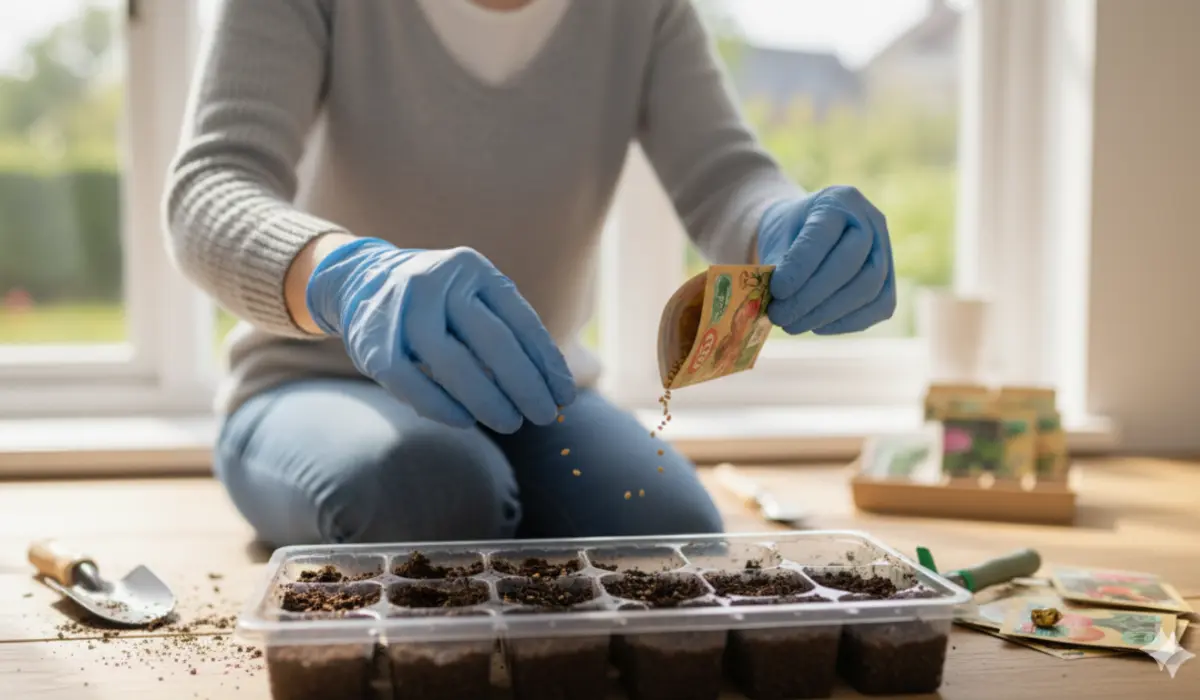
I save seeds not just to cut down on costs, but because it makes my garden more personal. Each seed I keep carries a little bit of the season before, and when I plant it again, it feels like continuing a story.
Seed saving also gives me control, I know where my plants came from, I know they’re adapted to my soil and climate, and I get to preserve varieties I love instead of depending on what the store offers.
The best part is, seed saving isn’t complicated. With a little know-how and a few simple tools, anyone can do it.
1. Choosing the Right Vegetables for Seed Saving
The first step in seed saving is picking the right plants. Not every vegetable is equally easy to save, and not every seed will give you plants true to type.
I always recommend starting with open-pollinated and heirloom varieties. These plants reproduce consistently, so the seeds you save will grow into plants just like the parent.
Hybrid varieties, on the other hand, are a gamble, they often don’t pass on the qualities you expect, which can leave you with disappointing results.
When I choose vegetables for seed saving, I think about which ones I rely on most in the kitchen and which plants thrive in my garden’s conditions.
Tomatoes, beans, peas, and peppers are some of my favorites to save because they don’t cross-pollinate much and are straightforward for beginners.
They reward you with reliable results, which builds confidence to move on to trickier crops later.
Another factor is pollination. Some vegetables, like squash or corn, easily cross with other varieties if they’re growing nearby. If you want pure seeds, you’ll need to space them apart or hand-pollinate, which can feel advanced at first.
That’s why I often advise new seed savers to stick with the “easy” crops before experimenting with plants that demand more isolation.
Also Read: How to Start Your Own Indoor Herb Garden and Keep Herbs Fresh All Year
2. Harvesting Seeds at the Right Stage
Seed saving is all about timing. If you harvest seeds too early, they won’t be mature enough to sprout later. I’ve made that mistake before, picking seeds when the fruit looked ripe but the seeds inside weren’t fully developed.
Now I know better: seeds need to reach full maturity on the plant to carry enough stored energy for germination.
With dry-seeded vegetables like beans and peas, I wait until the pods turn brown and brittle before picking. The seeds should rattle inside when shaken.
For wet-seeded crops like tomatoes and cucumbers, the fruit has to ripen completely, often past the point when I’d normally eat it.
A tomato meant for seed saving, for example, should be soft, rich in color, and almost overripe. That’s when the seeds inside are at their strongest.
I also pay attention to signs of readiness unique to each plant. Lettuce seeds, for example, form fluffy white tufts, while pepper seeds turn tan instead of pale white when mature. Harvesting at the right stage is the foundation of seed saving.
Skipping this step or rushing it almost always leads to low germination rates later.
3. Cleaning and Preparing Seeds
Once I’ve harvested seeds, the next step is cleaning them. Clean seeds not only store better but also reduce the risk of spreading disease into next year’s garden.
The method I use depends on whether the seeds are “wet” or “dry.”
Dry seeds like beans, peas, and lettuce just need to be threshed to separate them from their pods or flower heads. I usually spread them out on a tray and gently crush the pods by hand, then blow away the chaff with a small fan or by gently breathing across the pile. It’s simple but effective.
Wet seeds, like tomatoes, require more care. I scoop the seeds out along with the pulp and let them ferment in a jar of water for a couple of days.
This breaks down the gelatinous coating that can inhibit germination. After that, I rinse and strain them before drying.
Cleaning also means sorting. I take the time to pick out flat, discolored, or undersized seeds, which are less likely to sprout. It feels tedious at first, but I’ve found that removing weak seeds upfront gives me stronger seedlings in the long run.
A little patience at this stage goes a long way toward healthier crops.
4. Drying Seeds Properly
Drying is where many seed-saving attempts succeed or fail. Even if seeds look clean and healthy, storing them while they still contain moisture can cause mold or rot. That’s why I never rush the drying process.
I spread seeds out in a single layer on paper towels, coffee filters, or fine mesh screens. They need good air circulation, so I keep them in a dry, shaded place away from direct sunlight.
Direct heat or sun can damage the embryo inside the seed, so slow and steady is the way to go. Depending on the size and type of seed, drying can take anywhere from a few days to a couple of weeks.
To test dryness, I use a simple trick: I press a seed with my fingernail. If it dents, it’s not ready. If it’s hard and resists pressure, it’s dry enough to store.
For beans or peas, I sometimes bite one, if it cracks cleanly instead of chewing like wax, they’re ready. Over the years, I’ve learned that properly dried seeds are the most important factor for long-term storage.
Also Read: 7 Smart Ways to Use Banana Peels in the Garden, According to Experts
5. Storing Seeds for Longevity
Proper storage is what makes seed saving sustainable. I think of it like preserving food, done right, seeds can last years. The three enemies of seed storage are heat, light, and moisture. Keeping them away from those elements is key.
I like to store seeds in small paper envelopes for breathability, then tuck those into airtight containers like glass jars or sealed tins.
For extra insurance, I add a silica gel packet to absorb any stray moisture. Some gardeners store seeds in the refrigerator, which works well as long as the container is airtight and you avoid temperature swings.
Labeling is another habit I never skip. I write down the variety name, the date saved, and sometimes even notes about performance that season.
When I look back years later, those details help me track which varieties thrived in my soil and which weren’t worth repeating. A well-labeled seed collection becomes a personal library of gardening history.
FAQs
No. Most of the time, a few envelopes, jars, and a dry place are enough. Simple tools like a mesh screen or fan just make the process easier. Yes, but only if they’re open-pollinated or heirloom varieties. Most supermarket vegetables are hybrids, which may not produce reliable offspring. Do a quick germination test. Place 10 seeds on a damp paper towel, keep it moist, and check how many sprout. That percentage gives you a good idea of viability. Do I need special equipment to save seeds?
Can I save seeds from store-bought vegetables?
How do I know if my saved seeds are still viable?