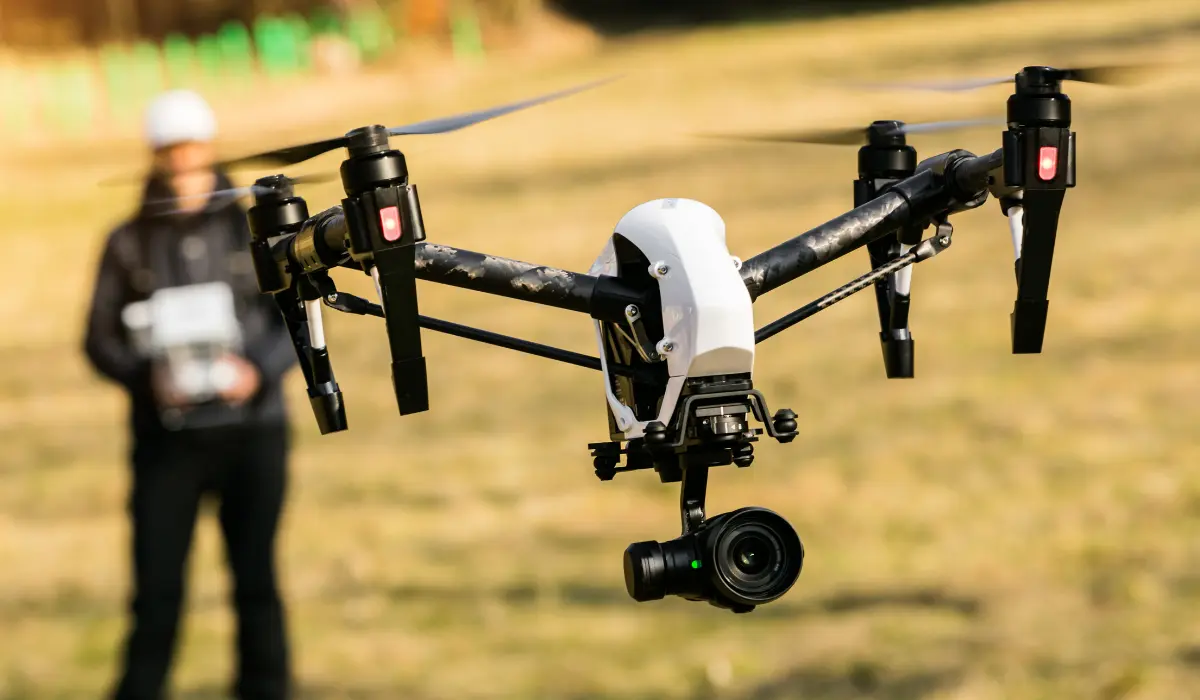
As Ontario farms increasingly adopt automation, a new competition is inviting high school students to take part in shaping the future of agriculture.
The AgRobotics Ontario Challenge, launched this fall, calls on students to design and prototype robotic solutions that can make farming safer, more efficient, and globally competitive.
The contest, backed by technology companies and farm organizations, is both an educational opportunity and a chance to generate fresh ideas in an industry undergoing rapid change.
With robotics already transforming tasks such as planting, weeding, and harvesting, organizers say the challenge will give young innovators a platform to contribute directly to agriculture’s evolution.
A Push for Innovation in Agriculture
Agriculture has long relied on human labor, but rising costs, workforce shortages, and the drive for greater productivity have accelerated interest in automation.
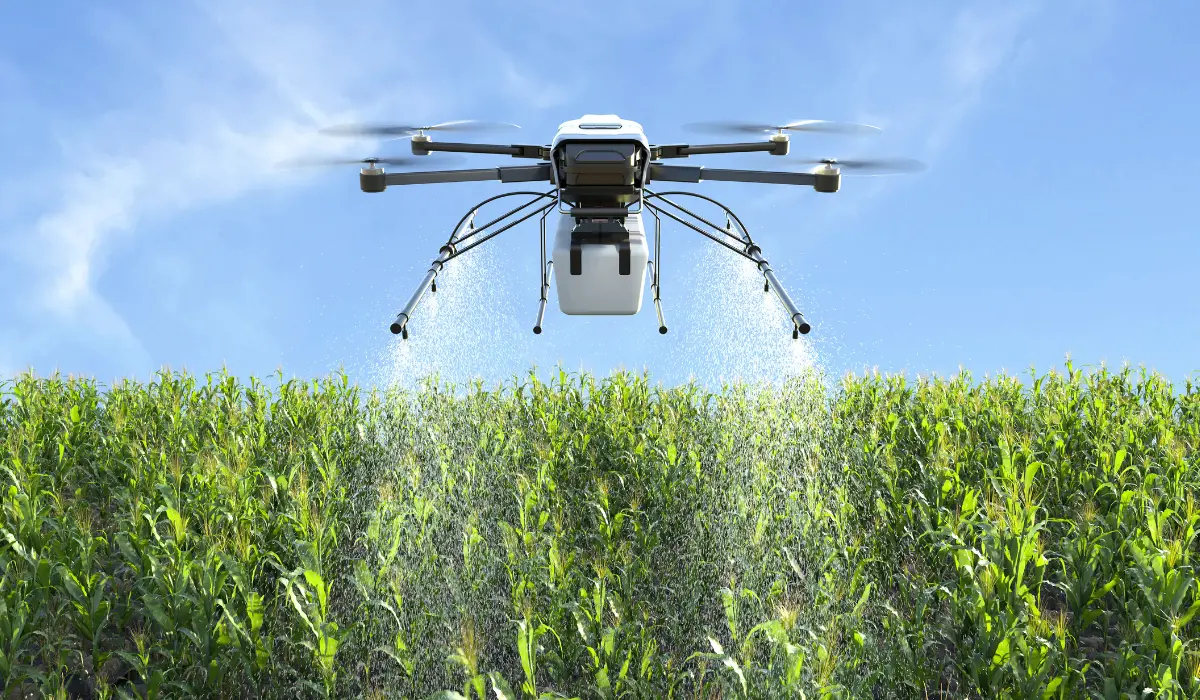
Robotics, in particular, has become central to this shift. From autonomous tractors to drones and greenhouse systems, the technology is increasingly present across farms worldwide.
In Ontario, companies like Haggerty Robotics are already demonstrating the power of these tools. One of their leading products, the FarmDroid, is a solar-powered robot capable of autonomously planting seeds and eliminating weeds in a field without human supervision.
The machine illustrates how robotics can reduce reliance on manual labor while improving consistency and efficiency.
Yet, as industry leaders point out, field-based robotics are still in their early stages. While controlled environments such as greenhouses have benefited from automation for years, crops grown in open fields, like strawberries, apples, or grains, pose greater challenges.
That’s where innovation from fresh perspectives becomes valuable.
Harnessing Student Creativity
The AgRobotics Ontario Challenge aims to tap into the creativity and technical skills of high school students. Robotics programs are already popular in schools across the province, but organizers want to channel that energy toward solving real agricultural problems.
Participating schools will receive support to bring their ideas to life. Each of the six schools selected for the final stage will be supplied with a robotics kit provided by Studica, a technology company specializing in educational resources.
They will also receive $500 in funding to help build their prototype.
The prototypes will be showcased in March 2026 at the London Farm Show, an event organized by the Western Fair Association that draws farmers, agribusiness leaders, and technology developers from across the region.
According to Chuck Baresich, president of Haggerty Robotics and a partner in the initiative, the goal is to merge students’ enthusiasm for technology with the pressing needs of agriculture.
“A lot of students are interested in technology, and we’re also interested in putting food on the table,” Baresich explained. “Why not put those two together?”
Addressing Farm Challenges with Technology
The competition is not just about building gadgets, it’s about tackling some of the most stubborn challenges on farms. Weed management, pest control, and harvesting labor are among the most pressing issues, Baresich noted.
Weeds, for instance, demand significant time and energy from farmers, yet robots can manage them continuously, day and night, without human oversight.
This round-the-clock capacity could transform how farmers allocate their labor, freeing workers to focus on more complex or higher-value tasks rather than repetitive manual labor.
Baresich also emphasized that robotics does not necessarily mean eliminating jobs. Instead, automation often allows farmers to redeploy workers to areas where human judgment and expertise are more valuable. In his view, robotics complements rather than replaces human effort.
Billions Invested, but More Work Ahead
Globally, the agricultural robotics sector is attracting billions of dollars in investment. From California to Europe, companies and research institutions are pouring resources into developing machines that can harvest fruit, detect crop diseases, or monitor soil conditions.
Despite this momentum, Baresich said there is still “lots of work to be done” in adapting robotics to different crops and conditions. Strawberries, apples, and other labor-intensive fruits, for example, present unique challenges for automation due to their fragility and irregular growth patterns.
The AgRobotics Ontario Challenge encourages students to think outside the box about how technology could address such gaps.
“Sometimes we get used to doing things the same way all the time,” Baresich said. “Perhaps some young minds can say, ‘What if we approached this from a different angle?’”
Also Read: Man Diagnosed With Cancer Finds Strength and Solace in Growing 677-Pound Giant Pumpkins
A Learning Experience for Students and Schools
For many participating schools, the challenge represents a chance to explore agriculture for the first time. While robotics clubs are common in Ontario high schools, they often focus on competitions or projects unrelated to farming.
The AgRobotics Ontario Challenge introduces a new context, one that connects STEM education with the realities of food production.
Bridget Mahon, agribusiness manager at the Western Fair Association, believes the contest will broaden students’ understanding of how their skills can apply in real-world settings. “Most of the teachers we’ve heard from have a robotics club,” she said. “Their club may just not have been focused on agriculture.”
By designing and prototyping their ideas, students will gain experience not only in technical problem-solving but also in considering practical farm needs, environmental conditions, and market realities.
The exposure at the London Farm Show will further give them a platform to interact with industry professionals and potential employers.
Key Dates and Participation
Schools interested in the challenge must submit their ideas by late November, with six finalists selected in early December. The chosen schools will then spend several months developing their prototypes before presenting them at the March showcase.
The competition is organized in partnership with Innovation Farms Ontario, a network of research-focused farms that test new agricultural technologies, alongside Haggerty Robotics and Studica.
Together, these partners aim to bridge education and industry while accelerating innovation in Ontario’s farming sector.
The Bigger Picture
The AgRobotics Ontario Challenge is more than just a student contest, it is part of a broader movement to prepare agriculture for the future.
With climate pressures, labor shortages, and growing global demand for food, farming must adopt new tools and strategies to remain viable and competitive.
By involving high school students, organizers hope to inspire the next generation of agricultural innovators.
For students, the challenge offers more than a robotics project; it provides a glimpse into a fast-growing industry with opportunities that span engineering, software development, agronomy, and beyond.
The contest also underscores how agriculture is evolving. Farming today is no longer solely about physical labor in the fields, it is increasingly about data, technology, and problem-solving.
By inviting students into this world early, the competition could spark careers that help define the future of food production in Canada and beyond.