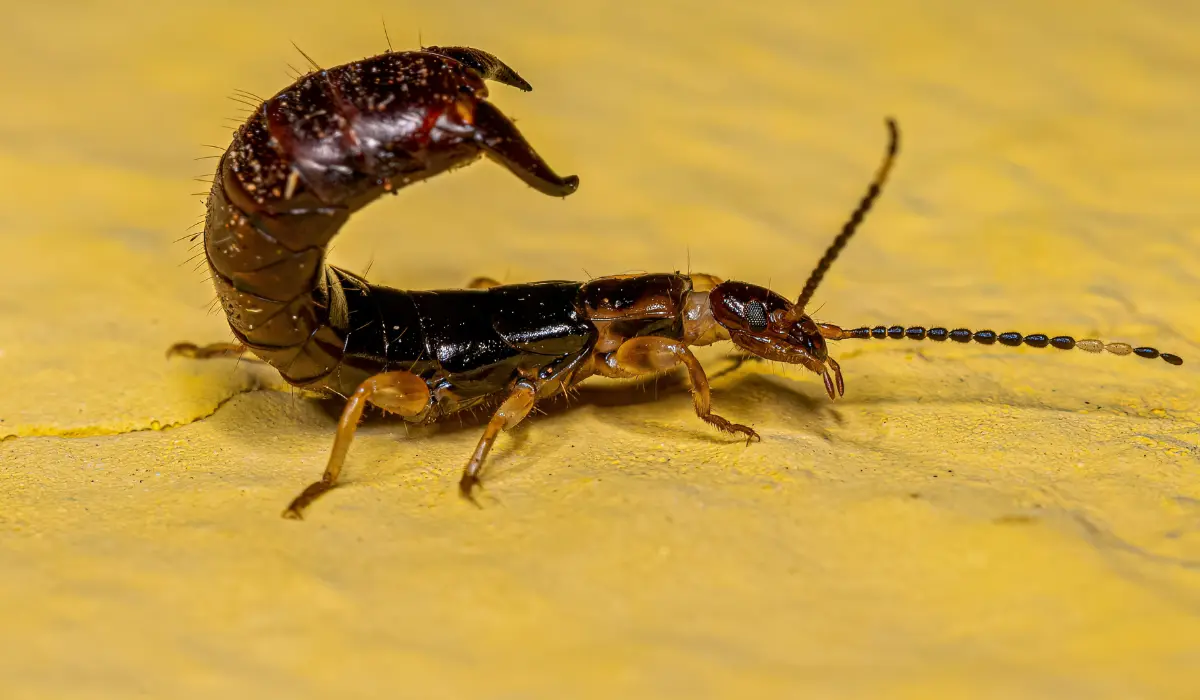
I’ve had my fair share of run-ins with earwigs in the garden. At first glance, they look menacing with their pincers, and when I saw the ragged holes in my young seedlings, I blamed them for every bite mark.
Over the years, though, I’ve learned that earwigs aren’t simple villains. They’re complicated players in the garden ecosystem.
My goal hasn’t been to wipe them out but to manage their numbers in a way that protects my plants while keeping the natural balance intact.
What Exactly are Earwigs in the Garden?
Earwigs are nocturnal insects with flat, reddish-brown bodies and pincers at the end of their abdomen. They often stir fear because of their appearance, but the truth is, they’re not dangerous to people.
They spend their days hiding in moist, dark places and emerge at night to feed. That’s when they can do visible damage, chewing holes in tender leaves, flowers, and even fruit.
What complicates matters is that earwigs aren’t entirely bad. They also eat aphids, mites, and decaying plant matter. In other words, they contribute to cleaning up the garden and reducing certain pests.
It’s easy to get frustrated when I see earwig damage on lettuce or dahlias, but I remind myself they also keep other nuisances in check.
That’s why the real challenge is balance. I don’t want to strip my garden of every earwig, because that would disrupt the ecosystem.
Instead, I aim to keep their population low enough that the damage is manageable while still allowing them to play their role as decomposers and pest controllers.
Also Read: How to Identify Common Garden Pests By Their Leaf Signature
Creating the Right Garden Environment
One of the biggest lessons I’ve learned is that earwigs thrive when the garden offers too many hiding places. Damp piles of leaves, weeds left to rot, and stacked pots create perfect shelters.
By tidying up, I can reduce their daytime hiding spots without making the garden sterile. A healthy garden still needs organic matter, but it shouldn’t sit in neglected heaps.
Moisture management is equally important. Earwigs love damp soil, which is why overwatering and poor drainage invite them in droves.
I focus on watering early in the morning so the soil surface dries by nightfall. Mulching helps with moisture regulation, but I avoid thick, soggy layers right next to plant stems since that’s an open invitation to earwigs.
Biodiversity is the final piece. If the garden is dominated by one or two vulnerable crops, earwigs can cause serious damage.
By mixing plant varieties and including flowers that attract beneficial insects, I create a space where earwigs are just one part of the picture, not the dominant force.
Natural Barriers and Deterrents
When earwig pressure gets high, I turn to natural barriers. Diatomaceous earth is one of my favorites. Sprinkled in a thin line around plants, it creates a rough texture that earwigs dislike crossing.
It doesn’t poison them, and it breaks down naturally into the soil over time. Another option is copper strips, which act as a mild deterrent when placed around raised beds or containers.
For deterrents, I steer clear of anything that could harm pollinators or the soil ecosystem. Neem oil, when used carefully, can discourage earwigs from feeding on tender leaves.
Garlic or chili sprays also make plants less appetizing without leaving harmful residues. These aren’t quick fixes, but they help reduce damage when applied consistently.
Companion planting also plays a role. I’ve noticed that earwigs steer clear of herbs like rosemary, thyme, and sage. By weaving these plants among more vulnerable crops, I create natural barriers.
It’s a subtle form of defense that adds fragrance and flavor to the garden while keeping pests in check.
Trapping Without Harm
One of the simplest and most effective ways I manage earwigs is by trapping them. Rolled-up newspapers or cardboard tubes left in the garden overnight become irresistible hiding spots.
In the morning, I collect these traps and shake the earwigs into a bucket. It’s a hands-on method, but it works.
The beauty of trapping is that it avoids chemicals altogether. Instead of trying to kill earwigs indiscriminately, I’m just moving them out of sensitive areas.
This makes it a far more sustainable option than commercial pesticides, which often harm beneficial insects and pollute the soil.
Once I’ve trapped them, I relocate earwigs to areas where they can be useful. Compost heaps, brush piles, or wild corners of the yard are perfect places.
There, they can continue breaking down organic matter without chewing through my vegetables.
Inviting Natural Predators
Earwigs may be a nuisance, but they also make a good meal for other creatures. Birds, toads, frogs, and even predatory beetles feed on them.
By encouraging these allies, I let nature take over the hard work of pest control.
Creating habitats for predators has been a game-changer. A shallow bird bath brings in insect-eating birds, while a small pond attracts frogs and toads.
Leaving a few logs or stone piles in shaded corners gives ground beetles a place to live. Each addition strengthens the ecosystem and makes it harder for earwig numbers to spiral out of control.
What I love about this method is that it’s truly sustainable. I’m not constantly intervening; I’m building a system where balance happens naturally.
Over time, the garden becomes less about fighting pests and more about supporting life in all its forms.
Also Read: How to Effectively Treat Root Rot in Your Monstera Plants
Organic Remedies That Work
Sometimes, despite all efforts, earwigs get the upper hand. When that happens, I turn to organic remedies that don’t harm the environment.
A simple soy sauce trap, soy sauce mixed with oil in a shallow container, works wonders.
The strong scent lures earwigs, and the oil prevents them from escaping.
Garlic sprays are another tool in my kit. I blend garlic with water and a bit of soap to create a natural deterrent. Sprayed on vulnerable plants, it keeps earwigs at bay without leaving toxic residues.
I rotate remedies like this so I don’t stress plants or build up strong odors in the soil.
The key is moderation. These remedies aren’t about eradicating earwigs but about tipping the scales in favor of the plants. When used thoughtfully, they give crops breathing room without damaging the broader garden ecosystem.
FAQs
No, and I wouldn’t recommend trying. They’re part of the ecosystem and play beneficial roles. The goal is to manage their numbers, not wipe them out. Check plants at night with a flashlight. If you see earwigs feeding on leaves or flowers, they’re the culprits. Otherwise, they may be more focused on decaying matter or smaller pests. Build a balanced garden ecosystem. Encourage predators, manage moisture, and use traps or natural barriers when needed. Over time, this reduces the need for constant intervention. Can I completely eliminate earwigs from my garden?
How do I know if earwigs are causing damage or just eating pests?
What’s the best long-term strategy for earwig control?