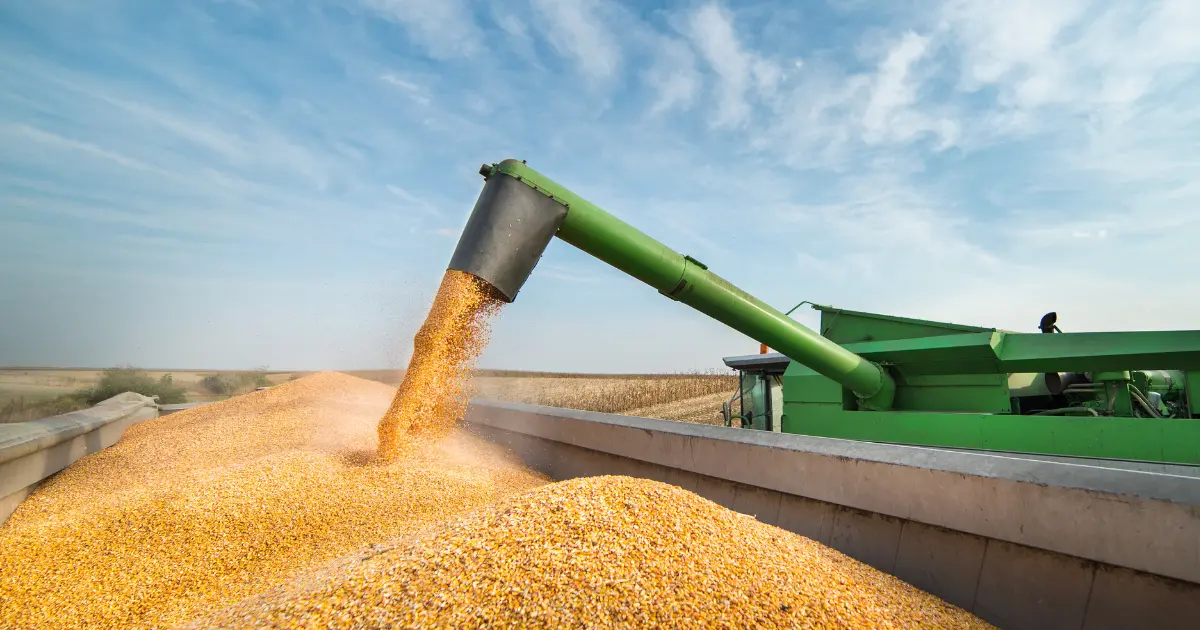
Grain markets closed higher on Thursday, lifted by renewed optimism over potential Chinese purchases and news of federal support for U.S. farmers, while cattle futures suffered a sharp downturn.
Analysts say technical buying, expectations of lower yields, and the prospect of government trade aid combined to give soybeans, corn, and wheat a strong push upward. At the same time, weakness in beef demand and market uncertainty drove cattle prices to their lowest levels in weeks.
Soybeans Lead the Charge on China Developments
Soybeans took center stage in Thursday’s rally, extending momentum from the previous session’s reversal. Market strategist Bryan Doherty of Total Farm Marketing said the gains were fueled by short covering and technical buying, but the real boost came from reports of a potential thaw in U.S.-China trade tensions.
President Donald Trump indicated he would meet with Chinese President Xi Jinping at the upcoming Asia-Pacific Economic Cooperation (APEC) Summit to address the stalled flow of U.S. soybean exports.
Traders interpreted the announcement as a sign that China could soon return to the U.S. market, where its absence has weighed heavily on prices for more than a year.
The mere possibility of renewed Chinese purchases triggered optimism among traders, with many betting that even a partial resumption of exports could tighten supplies and stabilize prices.
Trade Aid Program Expected to Cushion Farmers
Adding to the bullish mood was confirmation that Washington is preparing additional support for producers hurt by China’s boycott of U.S. soybeans. Treasury Secretary Scott Bessent told CNBC the administration plans to roll out an aid package designed to ease the strain on farmers.
An official announcement is expected on October 7, and according to reports in The Wall Street Journal, the package could exceed $10 billion. The funds would likely be financed by tariff revenues, effectively redirecting money collected from U.S. import duties back into agriculture.
Doherty noted that such assistance could indirectly keep soybeans off the market. With federal support covering part of their losses, farmers would be under less pressure to sell grain at depressed prices, helping underpin futures.
Smaller Harvests Add Fuel to the Rally
Market fundamentals also played a role in Thursday’s upswing. Early harvest reports suggest soybean yields may come in below the U.S. Department of Agriculture’s (USDA) September estimate of 53.6 bushels per acre.
Dry conditions late in the growing season trimmed production potential across parts of the Corn Belt, and Doherty now projects national yields closer to 52 bushels per acre.
Lower yield expectations are lending additional strength to soybeans and spilling over into corn. Corn futures also climbed, benefiting from the soybean rally and from their own supply concerns.
Harvest progress reports indicate corn yields are lagging expectations, reinforcing the market’s belief that USDA projections may be too optimistic.
Wheat Tags Along
Wheat, though less directly affected by Chinese trade policy, joined the broader rally. Prices were supported by short covering and technical buying but also drew strength from the upward moves in corn and soybeans.
Analysts say wheat futures often react to changes in the other grains since the three crops compete for acreage and export demand.
Cattle Market Buckles Under Pressure
While grains found buyers, the livestock sector told a different story. Cattle futures tumbled, with feeder cattle taking the brunt of the losses.
Doherty attributed the collapse to a combination of factors, including anxiety over the ongoing government shutdown and plunging wholesale beef values. Choice boxed beef has fallen nearly $8 in just two sessions, extending a steep decline of more than $50 from earlier highs.
Lower cash trade added to the bearish tone. Northern feedlots saw cattle move at $230 per head and $360 dressed, about $5 below the prior week.
On top of that, chatter on social media about the potential reopening of the Mexican border to livestock trade in November weighed further on feeder futures.
Dairy Market Loses Momentum
Milk futures also lost ground after a recent rally. Class III contracts, which had surged by nearly $1.50 per hundredweight, gave back part of their gains on Thursday.
Doherty said momentum appears to be fading as consumer demand remains lackluster and milk production rises more than 3% year-over-year. Those factors continue to cap the upside potential in dairy markets.
Outlook: Cautious Optimism for Grains, Caution for Livestock
Thursday’s market action underscored the sharp divide between crops and livestock. Grain traders are increasingly optimistic that Chinese demand, government support, and tighter supplies could support higher prices heading into harvest.
However, livestock markets face mounting challenges, from weak demand signals to supply pressure, that could keep futures under stress.
Farmers and traders alike will be watching two key developments in the coming weeks: the details of Washington’s farm aid package and the outcome of President Trump’s meeting with President Xi. Both could set the tone for grain markets through the remainder of the year.
For livestock producers, much will depend on whether beef demand can recover and whether cattle markets can stabilize after weeks of steep declines.