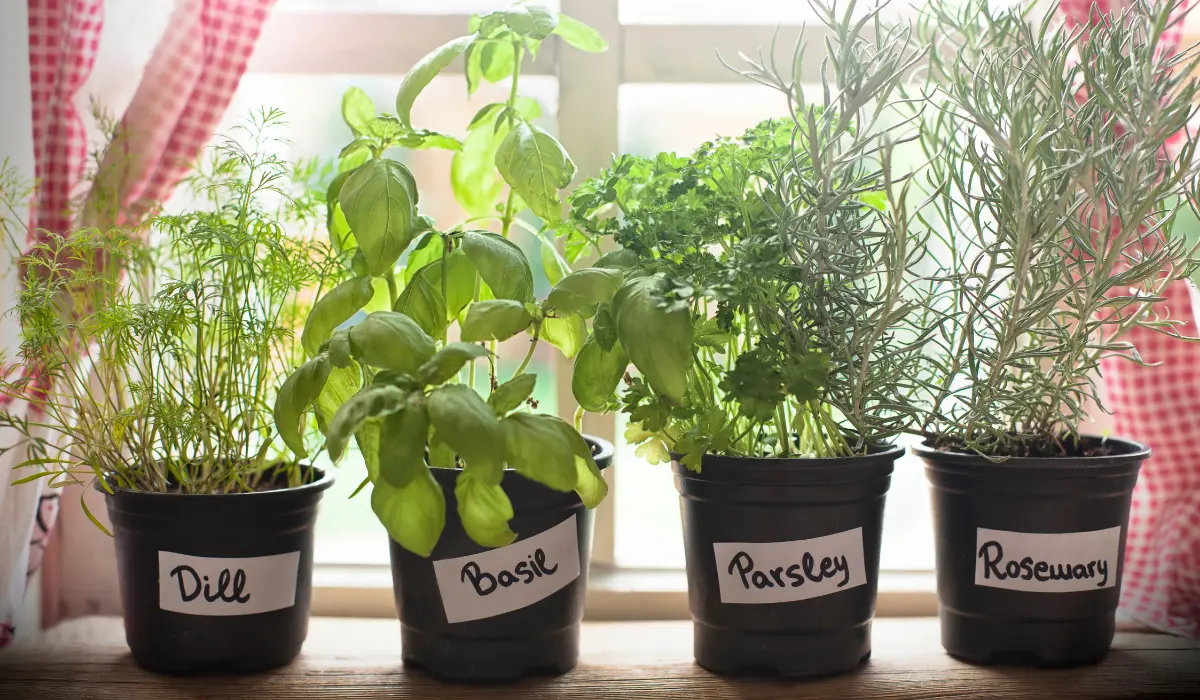
One of the biggest lessons I’ve learned in gardening is that you don’t need to reach for chemical sprays every time pests show up.
Nature already provides us with tools that can make our gardens healthier and more resilient. Herbs, in particular, are some of the most underrated allies in this fight.
They’re not just for seasoning food, they’re living shields against the insects that want to feast on your plants.
When I started planting herbs with pest control in mind, I noticed a dramatic difference. Roses stopped suffering from aphid infestations, my tomatoes stood taller without hornworms tearing them down, and I found fewer carrot flies in my root crops.
By weaving herbs into my garden, I gained both fresh flavors for the kitchen and natural protection for my vegetables and flowers.
1. Chives
Chives may seem humble, but they pack a serious punch against pests. Their onion-like aroma keeps aphids, carrot flies, and Japanese beetles at bay.
I always tuck a few clumps of chives near my roses because they act like a bodyguard, protecting the delicate blooms from aphid attacks. Carrots also benefit when planted alongside chives since the smell masks their scent from flies.
The beauty of chives is their versatility. You can grow them in garden beds, borders, or containers, and once established, they return year after year.
I’ve noticed that they do their best work when planted in patches rather than scattered sparsely. The more concentrated the aroma, the more effective it seems at keeping pests away.
Another reason I love growing chives is their culinary value. They’re one of the first herbs to appear in spring, giving me fresh green shoots for salads and omelets.
To keep them thriving, I cut them regularly, which also helps release more of their strong aroma into the air, a natural deterrent for pests nearby.
2. Basil
Basil is more than a staple in the kitchen; it’s also one of the best plants for repelling unwanted insects. Its strong scent confuses mosquitoes, flies, and tomato hornworms, making it an ideal companion for tomatoes and peppers.
I always plant basil right alongside my tomatoes, it’s a partnership that benefits both flavor and protection.
In my experience, basil thrives in full sun and well-drained soil. When it’s healthy, its leaves release a strong aroma that creates a protective cloud around nearby plants.
By pinching off flower buds regularly, I not only extend the harvest but also keep the plant producing more leaves, which means more pest-repelling power.
The other advantage of basil is its culinary payoff. Fresh basil leaves find their way into my kitchen daily during summer. It’s one of those herbs that offers double the reward: fewer pests outside, and vibrant flavor inside.
Also Read: Early Signs of Root Rot (and How to Save Your Plants in Time)
3. Rosemary
Rosemary is a powerhouse herb in more ways than one. Its woody stems and needle-like leaves emit a pungent fragrance that deters cabbage moths, carrot flies, and even mosquitoes.
I often use rosemary as a border plant around vegetables that need extra protection. Its upright growth habit makes it a natural hedge and guardian.
This herb is particularly valuable because it thrives in hot, dry conditions where other herbs may struggle. Once established, rosemary needs little water and care.
By pruning it regularly, I encourage bushier growth and maximize its protective qualities. The trimmings can also be used as mulch around sensitive plants, adding another layer of pest control.
Another reason I rely on rosemary is its flexibility. It grows just as well in containers as it does in the ground, making it easy to move around where I need it most.
Indoors, it keeps flies away from the kitchen window. Outdoors, it creates a fragrant shield for vegetables and ornamentals alike.
4. Dill
Dill may seem delicate, but it’s a strategic herb when it comes to pest management. While it repels pests like aphids and spider mites, its real strength lies in attracting beneficial insects.
Ladybugs, lacewings, and parasitic wasps all flock to dill, and these allies are some of the most effective natural predators against garden pests.
I usually plant dill near cucumbers and brassicas, where it pulls double duty, repelling some pests while drawing in reinforcements. However, dill has a tendency to self-seed aggressively, so I manage it carefully by cutting flowers before they spread seeds. That way, I keep it under control without losing its protective power.
Another bonus of growing dill is its culinary use. Fresh dill heads are unbeatable for pickling, and their leaves add flavor to fish and salads. By harvesting it regularly, I keep the plant productive and ensure that the aroma continues to deter unwanted visitors in the garden.
5. Sage
Sage is another herb I rely on to defend my plants. Its strong, earthy scent repels cabbage moths, carrot flies, and flea beetles, making it particularly useful when planted near brassicas like broccoli, kale, and cauliflower. I’ve seen far fewer holes in cabbage leaves when sage is nearby.
This herb enjoys full sun and well-drained soil. It can get woody if neglected, so I prune it after flowering to keep it productive and aromatic.
The more you trim, the stronger its growth, and the stronger its protection for surrounding plants.
Aside from pest control, sage has its own rewards in the kitchen. I love frying sage leaves in butter for a simple pasta sauce.
Growing it in the garden means I always have a fresh supply on hand, while its protective qualities continue working for the plants around it.
6. Mint
Mint has one of the most powerful aromas in the herb garden, and pests can’t stand it. Ants, aphids, cabbage moths, and even rodents keep their distance when mint is present.
Because it spreads aggressively, I always recommend growing mint in containers and then placing those pots strategically around the garden.
One trick I use is making mint sprays by steeping the leaves in water and then using the liquid as a natural pesticide. It’s safe, effective, and adds another layer of defense beyond the plant itself.
Sprays can be especially useful in areas where you can’t plant mint directly.
Mint also has incredible culinary versatility, from teas to desserts to savory dishes. The key is managing its spread so it doesn’t overwhelm the garden. In containers, it’s both controllable and highly effective as a pest repellent.
7. Parsley
Parsley often gets overlooked, but it plays an important role in natural pest management. It repels asparagus beetles while attracting beneficial insects like hoverflies, whose larvae feed on aphids. This combination makes parsley a quiet but effective guardian in the garden.
I like planting parsley among asparagus and tomatoes, where it improves the resilience of both. It also enhances soil health by drawing nutrients up from deeper layers, which can benefit neighboring plants.
Curly parsley works well for ornamental borders, while flat-leaf parsley provides a stronger flavor in the kitchen.
Parsley grows easily from seed and thrives in cooler weather, making it a valuable addition in both spring and fall gardens. By letting a few plants go to flower, I attract more beneficial insects, while still harvesting plenty of fresh leaves for cooking.
Also Read: How to Identify and Fix Leaf Spot Before It Takes Over Your Garden
8. Thyme
Thyme is a low-growing herb with a high-impact role in pest control. Its scent deters whiteflies, cabbage worms, and tomato hornworms, which makes it a perfect companion for tomatoes, cabbage, and other vegetables.
I use thyme as a ground cover under taller plants, where it creates a protective carpet.
Because it’s a perennial, thyme comes back year after year with minimal care. I trim it back in early spring to encourage fresh growth, and I harvest it regularly for cooking.
Each harvest releases more fragrance into the garden, strengthening its repellent effect.
The beauty of thyme is its resilience. It thrives in poor, rocky soil where other plants struggle, and it tolerates drought well. That makes it a low-maintenance way to add another layer of defense to the garden.
9. Lavender
Lavender is one of the most beautiful and effective pest-repelling herbs. Its fragrance deters moths, mosquitoes, fleas, and flies, while its blooms attract pollinators like bees and butterflies.
This dual role makes lavender a valuable addition to both vegetable gardens and ornamental beds.
I usually plant lavender along pathways and borders, where it creates a fragrant barrier. The dried flowers are also useful indoors, keeping moths away from clothes and linens.
To keep lavender healthy, I prune it after flowering, which also helps shape the plant and encourages more blooms.
What I appreciate most about lavender is that it’s a long-term investment. Once established, it thrives for years, providing beauty, pollination, and pest control in one plant. It’s one of those herbs I wouldn’t be without.
10. Trap Crops
Beyond individual herbs, I also use the concept of trap cropping. This means planting certain herbs to lure pests away from my main crops.
For example, dill and fennel can draw aphids and caterpillars, keeping them distracted from more vulnerable vegetables.
The key with trap crops is placement. I plant them slightly apart from my main beds, so the pests are drawn to them instead of attacking my vegetables.
This strategy has saved me countless tomatoes and brassicas from heavy infestations.
Trap cropping isn’t about eliminating pests, it’s about controlling where they go. By combining trap crops with protective herbs, I create a balanced system that reduces pest pressure while supporting biodiversity.
Final Thoughts
Herbs are more than just flavor boosters for the kitchen, they’re strategic allies in the garden. By planting chives, basil, rosemary, dill, sage, mint, parsley, thyme, lavender, and a few trap crops, I’ve built a system where my plants are healthier and pests are kept in check naturally.
The best part is that this approach requires no chemicals, just observation and experimentation. Over time, I’ve found combinations that work best for my climate and soil, and I encourage you to do the same. Every garden is unique, and so is every solution.
FAQs
A few weeks, once plants are growing strong. Not required, but it makes them stronger. Yes, they’re completely safe. Companion protects directly; trap crops lure pests away. How long does it take before herbs start repelling pests?
Do I need to crush or harvest the herbs for them to work against pests?
Can I still use these herbs in cooking if they’ve been used for pest control?
What’s the difference between companion planting and trap cropping?