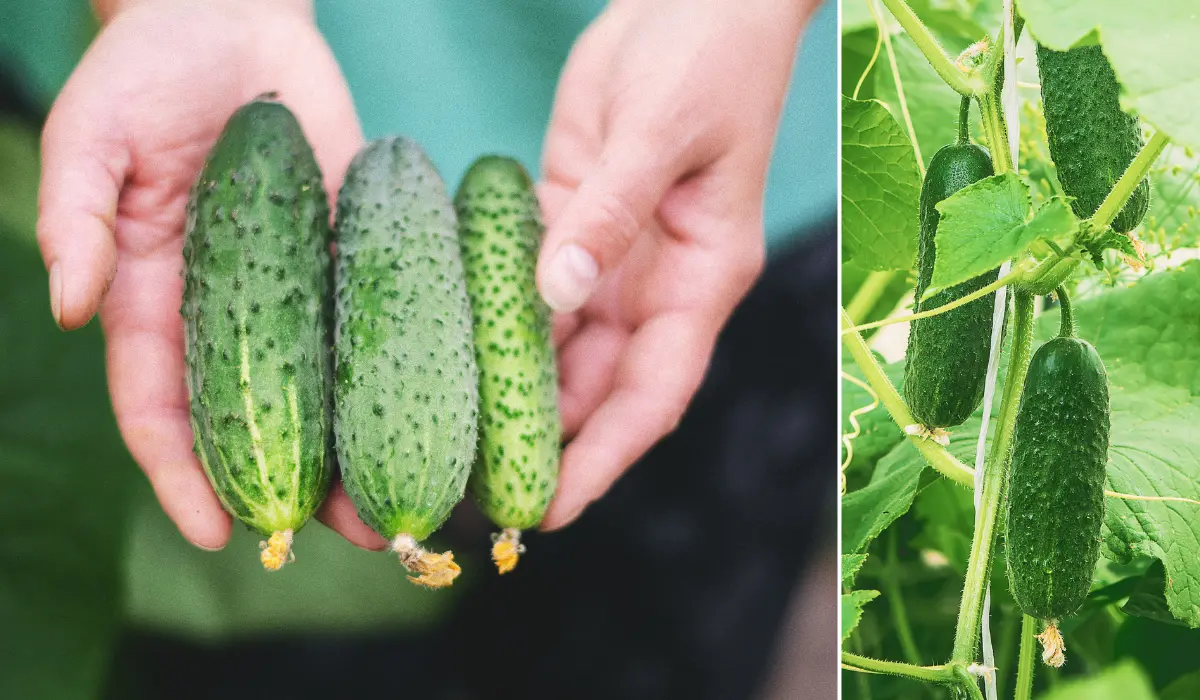
When I grow cucumbers, I don’t think of them as standing alone in the garden. They thrive best when surrounded by plants that help them fight pests, boost pollination, and enrich the soil.
Over the years, I’ve learned that companion planting is one of the smartest ways to get bigger harvests without relying on chemicals. Some plants act like bodyguards, others like fertilizer machines, and a few simply make cucumbers taste better.
By putting the right neighbors beside my cucumbers, I set up a natural system that keeps them strong and productive.
1. Basil
I’ve always found basil to be more than just a kitchen herb, it’s a bodyguard for cucumbers. The oils released by basil confuse common pests like aphids and beetles that normally go after cucumber leaves.
When I started tucking basil plants between cucumber rows, I noticed far fewer holes chewed into the vines. The strong fragrance of basil creates a kind of invisible shield, keeping my cucumbers safe without sprays.
Basil doesn’t just protect; it also attracts bees and other pollinators. That’s important because cucumber plants need plenty of pollination to produce fruit.
I’ve seen flowers set faster and yields improve simply because basil made the area more attractive to pollinators. It’s one of those small tweaks that pay off big when harvest season comes around.
The trick is spacing. I plant basil about 12 inches away from cucumbers so the roots don’t compete. Basil prefers similar soil and watering conditions, so I don’t have to change my routine.
With regular harvesting of basil leaves, I keep the plants compact and prevent them from shading out the cucumber vines.
2. Beans
Cucumbers are hungry feeders, and one of their biggest needs is nitrogen. Instead of pouring fertilizer into the soil, I use beans as living nitrogen factories.
Beans host special bacteria on their roots that naturally pull nitrogen from the air and convert it into a usable form. That nitrogen doesn’t just feed the beans, it enriches the soil for the cucumbers growing nearby.
I’ve noticed a big difference in the strength and color of cucumber vines when beans are planted close together. The leaves look healthier, and the plants keep producing longer into the season.
What’s better is that I’m not overloading the soil with synthetic fertilizers that wash away after heavy rain. Beans create a steady, natural supply of nutrients that cucumbers can count on.
The key is giving both plants room to climb. I use trellises or poles so beans grow vertically, leaving the cucumbers to sprawl or climb on their own supports.
This way, I avoid a tangled mess and still take advantage of the nutrient-sharing benefits. It’s one of the simplest partnerships I use in the garden, and it consistently gives me richer soil and better cucumber yields.
3. Radishes
Radishes might seem too small to make a big impact, but they’re one of my favorite cucumber companions. The real magic of radishes is that they attract pests like cucumber beetles and flea beetles away from the cucumber vines.
It’s almost as if radishes volunteer themselves so the cucumbers don’t have to take the damage.
Because radishes grow quickly, I can plant them alongside young cucumber seedlings and harvest them within a few weeks. During that short window, they serve as bait, drawing pests away when cucumbers are at their most vulnerable.
By the time the radishes are out of the ground, my cucumbers have grown stronger and can handle minor pest pressure much better.
Radishes also help beneath the soil surface. Their roots break up compacted ground, leaving behind channels that improve drainage and air circulation for cucumber roots.
This creates a looser, healthier soil structure that supports vigorous cucumber growth. I always make sure to re-seed radishes throughout the season so the cucumbers are never without that extra line of defense.
4. Dill
When I plant dill near cucumbers, I’m not doing it for the flavor (though that’s a bonus when making pickles later). Dill is a magnet for beneficial insects like hoverflies, ladybugs, and predatory wasps.
These natural allies feast on the pests that normally torment cucumbers, such as aphids and caterpillars. Instead of battling infestations with sprays, I let dill recruit an army of helpers to keep everything in balance.
I’ve also noticed how dill attracts pollinators. Bees in particular love its feathery flowers, and their visits spill over to cucumber blossoms.
Better pollination means more consistent fruit set and fewer misshapen cucumbers. It’s another example of how companion planting creates subtle but powerful advantages in the garden.
Because dill grows tall and spreads easily, I have to be careful with placement. I usually plant it on the edges of cucumber beds or in small clusters a few feet away.
If left unchecked, dill can overshadow cucumber vines, so I keep it trimmed once it flowers. By managing it carefully, I get the benefits without letting it dominate the space.
5. Marigolds
Marigolds are more than colorful borders; they’re serious defenders of cucumbers. Their strong scent masks cucumber plants and repels pests like whiteflies and nematodes that attack roots. I like to think of marigolds as a living fence, an aromatic barrier that keeps trouble at bay.
Unlike other companions that work for a season, marigolds keep blooming and protecting for months. They bring continuous color to the garden, which makes the cucumber beds both productive and beautiful.
It’s easy to overlook the role of aesthetics, but I find that when I enjoy looking at my garden, I’m more attentive to its needs. That extra care translates into healthier plants and bigger harvests.
I’ve had the most success planting marigolds as a border around cucumber patches. This placement ensures cucumbers are surrounded by protection without competing for too much root space.
Because marigolds are hardy and low-maintenance, they don’t require special care. They simply do their job while making the garden more inviting.
Also Read: How to Grow Lemons Indoors for Fresh Citrus Anytime
Practical Tips for Companion Planting Success
Planting cucumbers with the right companions works best when spacing and timing are managed carefully. Overcrowding can undo the benefits, leading to competition for sunlight and water.
I aim to keep at least a foot between cucumbers and their helpers, adjusting depending on the plant’s size. This spacing allows air to circulate, reducing the risk of fungal issues that cucumbers are prone to.
Timing matters too. I stagger plantings so that something is always in play, radishes protecting seedlings early, dill and basil bringing pollinators mid-season, and marigolds standing guard throughout.
By layering these companions, I create a defense system that evolves with the cucumbers’ growth cycle. It’s not about a single trick but a series of coordinated steps.
Finally, I pay attention to soil health and watering. Cucumbers thrive in consistently moist soil, and most of their companions do as well.
A thick layer of mulch ties the whole system together, conserving water, suppressing weeds, and keeping roots cool. When I manage these basics, the companions can shine and give cucumbers the full boost they’re meant to provide.
FAQs
Keep at least 12 inches between cucumbers and companions to ensure airflow and reduce root competition. Potatoes, melons, and aromatic herbs like sage can either compete for nutrients or attract harmful pests. Absolutely. While they may not eliminate pests completely, they create balance so chemical sprays are rarely necessary. How far apart should cucumbers and their companion plants be?
What plants should I avoid near cucumbers?
Do companion plants reduce the need for pesticides?