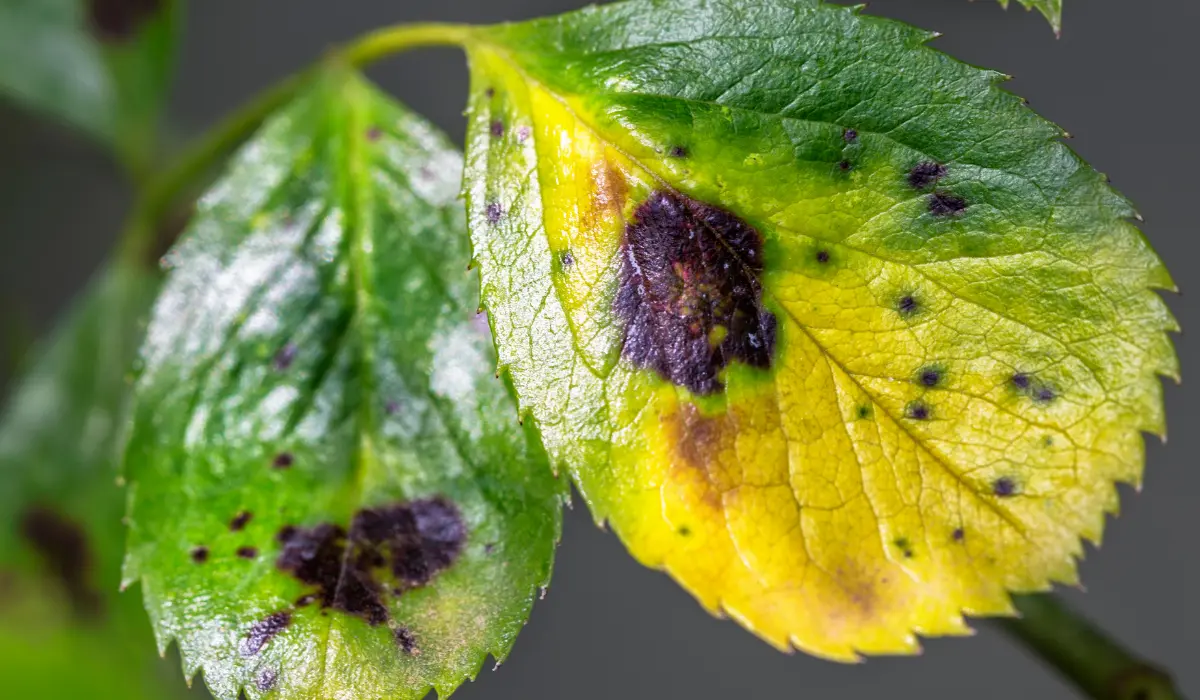
Leaf spot is one of those problems that can sneak into a garden quietly and turn into a disaster almost overnight. I’ve walked out in the morning to admire my plants only to find leaves peppered with strange brown blotches that weren’t there the day before.
The worst part is how quickly it spreads if I don’t react. Left unchecked, it can strip a plant of its vitality, ruin a harvest, and leave me feeling like I failed my garden.
Over the years, I’ve learned that the key isn’t just fighting leaf spot once it shows up, it’s knowing what to look for, acting fast, and building strong systems that make my plants less vulnerable in the first place.
Leaf spot isn’t unbeatable, but it demands respect and vigilance. Let me walk you through how I identify it, control it, and keep it from taking over my garden.
What Exactly is Leaf Spot?
Leaf spot is a broad term that covers a whole range of plant diseases caused by fungi, bacteria, or even environmental stress. No matter the source, the result looks the same: unsightly blotches on leaves that disrupt the plant’s ability to photosynthesize.
What starts as tiny specks soon grows into larger, dead patches. If I ignore it, the plant becomes weak and stressed, making it even more susceptible to other diseases and pests.
What makes leaf spot tricky is that it’s not just one pathogen. Fungal leaf spots like Septoria or Cercospora thrive in warm, wet conditions, while bacterial leaf spots spread through splashing water or infected tools.
Some leaf spots even come from non-living factors, such as chemical burns or nutrient imbalances. Understanding the cause is important because it guides how I respond.
A common misconception I’ve heard from gardeners is that leaf spot is purely cosmetic, that the plant will just “outgrow” it. In reality, once enough foliage is damaged, the plant’s overall productivity plummets.
Whether it’s vegetables, ornamentals, or even fruit trees, ignoring leaf spot sets the stage for poor yields and stunted growth.
Also Read: Here are 7 Smart Ways to Use Cornstarch in the Garden, According to Experts
Early Signs I Look For in My Garden
Catching leaf spot early makes all the difference. I keep an eye out for small, round spots that are usually brown, black, or tan. Some develop yellow halos, and others form concentric rings that look almost like targets on the leaves.
The pattern depends on the pathogen, but the key is to notice when a healthy leaf suddenly develops patches that don’t rub off or heal.
The challenge is that leaf spot can mimic other issues. Nutrient deficiencies sometimes cause discoloration, and insect damage can leave holes that look similar at first glance.
I always take the time to flip leaves over, check stems, and compare affected plants with healthy ones nearby. This helps me separate leaf spot from other garden problems.
Personally, I make it a habit to inspect my garden every few days, especially during wet weather. I walk with a pair of clean pruners in hand, ready to remove any questionable leaves before the problem spreads. That rhythm of close observation has saved me from full-blown outbreaks more than once.
Why Leaf Spot Spreads So Fast
The conditions that favor leaf spot are often the same conditions that make a garden thrive: warmth, moisture, and lush growth. Unfortunately, those same factors also give fungi and bacteria exactly what they need to multiply.
Humid mornings followed by rainstorms are the perfect recipe for trouble. I’ve seen a single infected plant turn into a row-wide problem after just a few days of damp weather.
My gardening habits can either help or hurt. For instance, watering overhead may feel natural, but it keeps foliage wet and allows spores to splash from leaf to leaf.
Crowding plants too closely creates poor air circulation, letting humidity linger and disease thrive. Even leaving old plant debris in the soil gives pathogens a safe place to overwinter and reappear the following season.
Another reason leaf spot feels relentless is the cycle of reinfection. Spores land on healthy leaves, germinate in moisture, and produce more spores that spread further.
Unless I interrupt this cycle through pruning, sanitation, or sprays, the disease just keeps compounding. Recognizing that cycle was the turning point in how I learned to stop it.
Immediate Actions I Take When I Spot It
When I see leaf spot, I don’t wait. The first thing I do is remove the infected leaves with clean, sharp pruners. I make sure to disinfect my tools after every cut because pathogens cling to blades and spread easily if I’m careless.
The diseased leaves go straight into the trash, not the compost pile, because the last thing I want is to recycle pathogens back into my soil.
If an outbreak looks serious, I isolate the plant if possible, especially in container gardens. In raised beds, I clear enough space around the infected plant to give others a better chance of avoiding contamination.
Sometimes that means sacrificing a plant or two for the health of the rest. It’s not easy, but it’s better than letting the disease wipe out the entire crop.
Sanitation is another step I never skip. I clean up fallen leaves around the base of plants, wash my hands and tools, and avoid handling healthy plants right after touching infected ones.
These may seem like small actions, but they drastically reduce how far the disease can spread in just a day.
Also Read: How I Use Sea Salt to Protect My Garden and Grow Stronger Plants
Long-Term Fixes That Actually Work
The real battle against leaf spot isn’t in reacting, it’s in prevention. Over the years, I’ve learned that rotating crops plays a huge role in reducing recurring infections.
If I plant tomatoes or peppers in the same spot year after year, the pathogens lying in wait in the soil get a head start. Switching planting locations gives me an upper hand.
Healthy soil is another cornerstone of prevention. By adding compost, improving drainage, and mulching properly, I create an environment where plants grow stronger and resist stress. Mulching also helps keep soil from splashing onto leaves, which is one of the most common ways pathogens spread upward.
I’ve also found that choosing resistant plant varieties makes a surprising difference. Plant breeders have developed cultivars that tolerate or resist common leaf spot pathogens.
While no plant is invincible, starting with stronger genetics means I’m less likely to face major problems during the growing season.
Natural and Chemical Control Options
When prevention and sanitation aren’t enough, I turn to treatments. For organic control, neem oil and copper-based fungicides have been reliable tools in my garden.
I’ve also experimented with baking soda sprays, which create a less hospitable environment for fungi. These methods don’t “cure” leaf spot, but they slow its progress and protect new growth.
Sometimes, though, natural remedies can’t keep up with a severe outbreak. In those cases, I use targeted fungicides, but only as a last resort.
I apply them carefully, following label instructions exactly, because misuse can harm beneficial insects or lead to resistance in pathogens.
No matter what I use, I focus on prevention over treatment. Spraying without changing my gardening practices would only offer temporary relief. Treatments work best when paired with better spacing, smarter watering, and consistent sanitation.
How I Strengthen Plants to Resist Leaf Spot
Strong plants naturally resist disease better than weak ones. That’s why I pay close attention to spacing and pruning. By giving plants room to breathe, I reduce humidity around foliage and help them dry quickly after rain or watering. A little airflow goes a long way in discouraging leaf spot.
Watering habits are another game-changer. Instead of spraying leaves, I water at the soil level, early in the day, so plants have time to dry before evening. This simple adjustment has reduced disease pressure more than any spray ever has.
To give my plants an extra boost, I sometimes use compost teas or biological inoculants that add beneficial microbes to the soil.
These allies outcompete harmful pathogens and enhance plant resilience. Over time, I’ve noticed that plants grown in biologically active soil bounce back faster from stress and infections.
My Seasonal Routine to Keep Leaf Spot Away
My defense against leaf spot isn’t a one-time fix, it’s a seasonal routine. In spring, I prepare the soil with compost, lay down mulch, and select resistant seeds when possible. If the forecast calls for a wet season, I apply a preventative spray before problems start.
In summer, I check plants weekly for signs of stress or disease. I prune heavily to keep airflow open and stay disciplined with watering. Even small habits, like staking plants so leaves don’t touch the ground, make a difference during peak growing months.
When fall arrives, I focus on cleanup. I remove every piece of infected plant material, turn over the soil, and sometimes plant a cover crop to improve soil health over winter. By not giving pathogens a safe place to overwinter, I start the next season with a clean slate.
Final Thought
Leaf spot has taught me that gardening is less about controlling nature and more about working with it. I can’t stop every raindrop or spore, but I can build systems that give my plants the upper hand. Patience, observation, and discipline have become my best tools.
The truth is, once leaf spot shows up, I may not be able to erase it entirely. But I can stop it from taking over, and I can make sure my plants have the strength to push through and still produce. That mindset has kept me from giving up during rough seasons.
If there’s one lesson I hope others take from my experience, it’s this: prevention is always easier than cure. Watch your plants closely, react quickly, and give them the environment they need to thrive. That’s how you keep leaf spot from stealing your garden’s potential.
FAQs
Absolutely. Tomatoes, peppers, beans, and roses are especially vulnerable, but almost any broadleaf plant can suffer. I always research the common diseases for each plant I grow so I know what to watch for. No, leaf spot isn’t harmful to people or pets. It only affects plants. However, eating heavily infected produce isn’t pleasant, and I usually discard anything that looks too far gone. That depends on the severity and conditions. Mild infections can be stopped in a couple of weeks with proper pruning and sprays, but severe outbreaks may last the entire season. The goal is to contain it rather than expect an instant cure. I avoid composting diseased leaves in my home pile because most backyard compost bins don’t reach the high temperatures needed to kill pathogens. Instead, I dispose of them in the trash or municipal yard waste, which is processed at hotter temperatures. Are some plants more prone to leaf spot than others?
Is leaf spot dangerous to humans or pets?
How long does it take for leaf spot to clear up once treated?
Should I compost leaves infected with leaf spot?