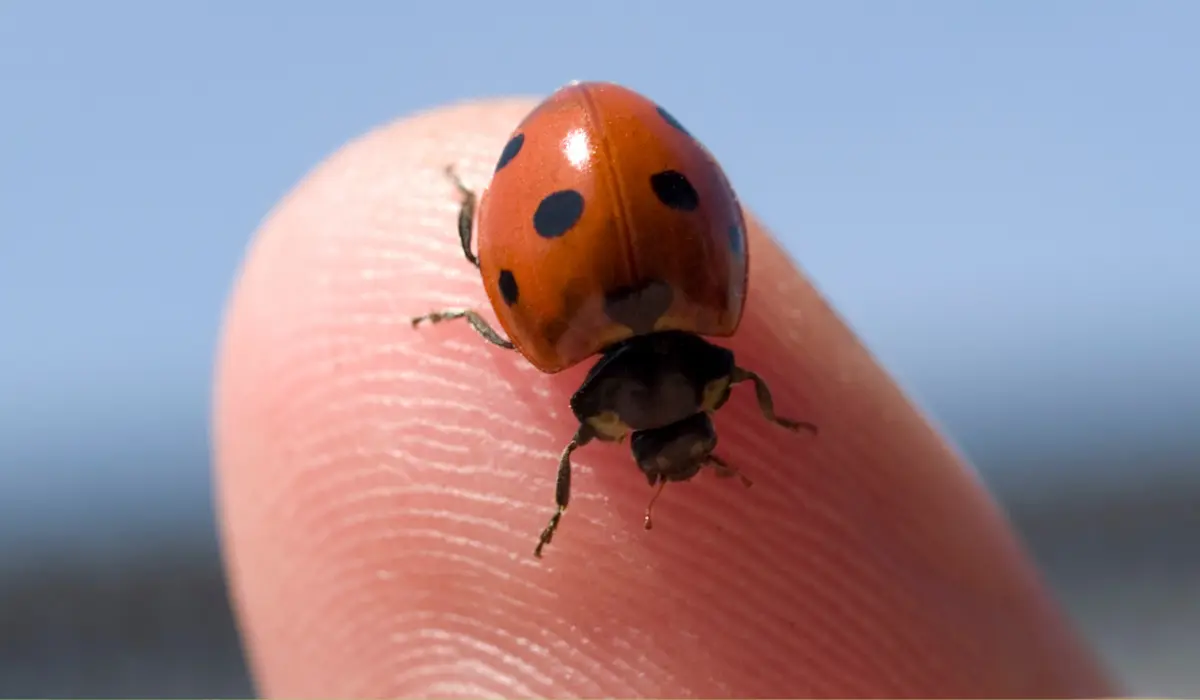
When I walk through my garden, the sight of ladybugs always reassures me. These tiny, spotted beetles are more than just pretty visitors; they’re one of the most effective natural pest-control allies I can count on.
Over the years, I’ve learned that inviting ladybugs into my space means healthier plants, fewer infestations, and no need to lean on harsh chemicals.
It takes intention and care to create the kind of garden where ladybugs thrive, but the payoff is worth every bit of effort.
Why Ladybugs Are Essential in Your Garden
Ladybugs are voracious hunters of soft-bodied insects, especially aphids. A single adult ladybug can eat dozens of aphids in a day, and their larvae consume even more.
Beyond aphids, they also target mites, scale insects, mealybugs, and whiteflies. These are the very pests that weaken vegetables, ornamentals, and fruit trees by sucking out their sap.
Every time I see ladybugs crawling on my plants, I know they’re protecting my crops from these quiet destroyers.
What makes ladybugs special is that they don’t upset the balance of the garden. Unlike chemical sprays, which wipe out harmful and beneficial insects alike, ladybugs only take what they need.
They eliminate the pests but leave pollinators and other helpful creatures untouched. That’s the kind of precision control I could never achieve with a bottle of pesticide. It’s like having live-in security guards for my plants, working tirelessly around the clock.
From my perspective, this is the kind of partnership I want in my garden. Chemicals might solve an immediate problem, but they always leave behind unintended consequences.
With ladybugs, I know I’m building a system that strengthens itself over time. Their presence means I can relax a little more, knowing nature is keeping things in balance for me.
Also Read: How to Plant, Grow, and Harvest Onions: A Step-by-Step Guide
Create a Ladybug-Friendly Habitat
Ladybugs don’t just show up randomly; they stick around where conditions are right. I’ve noticed that providing shelter is just as important as offering food.
Ground covers, like low-growing thyme or clover, give them safe resting spots. Mulch, leaf litter, and perennial plantings create nooks and crannies where ladybugs can hide from predators and harsh weather.
Whenever I keep my garden floor alive and layered, the ladybugs always linger longer.
Water is another essential piece. Ladybugs, like all living things, need hydration, but they can easily drown in a deep dish. I set out shallow trays filled with pebbles and add just enough water to cover the stones.
That way, they can land, sip, and fly off safely. This small detail makes my garden more welcoming not just to ladybugs but to other beneficial insects as well.
Design also plays a role. A layered garden with tall plants, mid-height shrubs, and low-growing herbs creates microhabitats that mimic the complexity of wild spaces.
Ladybugs thrive in these kinds of environments because there’s always shelter and a steady supply of food. The more varied I make my planting arrangements, the more likely ladybugs are to settle in for the long haul.
Plant the Right Flowers and Herbs
Food sources are what first attract ladybugs, especially when pests are scarce. I’ve learned to plant flowers and herbs that provide nectar and pollen as backup meals.
Marigolds, calendula, cosmos, and daisies are among their favorites. Yarrow and dill are excellent choices too, offering the kind of tiny blooms ladybugs love. I scatter these flowers around vegetable beds so the ladybugs never have to travel far to find both pests and nectar.
Timing matters as much as plant choice. By planting a mix of early bloomers and late-season flowers, I ensure there’s always something in bloom.
When pests aren’t abundant, these blossoms keep ladybugs fed and encourage them to stay nearby. It’s like offering them a full-service restaurant rather than a snack stand that opens only once in a while.
Interplanting has become one of my best strategies. By weaving flowers among vegetables, I make sure the ladybugs encounter pests and food sources wherever they go.
It prevents them from congregating in just one part of the garden. This kind of diversity ensures every corner of my space benefits from their presence.
Avoid Chemicals and Harmful Practices
Nothing drives ladybugs away faster than chemicals. Even organic sprays can be disruptive if I’m not careful. Neem oil, insecticidal soaps, or horticultural oils may spare my plants, but they can harm soft-bodied insects indiscriminately.
Since ladybug larvae look like tiny alligators, they’re especially vulnerable. I’ve had to rethink how I use sprays, only as a last resort and only in targeted ways.
Instead of trying to eliminate every pest, I’ve learned to tolerate small populations. Aphids, for example, are the main course for ladybugs. If I eradicate every single one the moment they appear, I give ladybugs no reason to stay.
A few clusters of aphids on kale or roses may look messy, but they’re often what draws ladybugs in to handle the outbreak naturally. That patience pays off in long-term balance.
I also avoid over-cleaning my garden. It’s tempting to strip away every dead leaf or fallen petal, but that tidy approach can remove important habitat.
Ladybugs need safe spaces, and sometimes that means letting the garden look a little wild. The less I interfere, the more nature seems to manage itself.
Support Ladybugs Through All Seasons
One of the biggest lessons I’ve learned is that ladybugs don’t just appear in spring and vanish. If I want them to come back year after year, I need to support them through all seasons.
In the fall, I leave small piles of straw, leaves, or plant stems around the garden. These become overwintering shelters where ladybugs can safely hibernate. Come spring, they emerge right where the pests are starting to multiply.
In early spring, before pests explode, I make sure nectar sources are available. Crocus, alyssum, and fennel can bloom early enough to provide food before aphid colonies build up.
By bridging that gap, I keep ladybugs strong until their preferred prey becomes abundant. This reduces the risk of them flying off in search of food elsewhere.
Long-term, I’ve found that designing with perennials creates the most reliable habitat. Plants like yarrow, lavender, and fennel come back every year, offering shelter and food without extra effort.
Ladybugs thrive in spaces that are stable and predictable, so the more permanent my plantings are, the more likely I am to see returning populations.
Also Read: Plant These 10 Hardy Vegetables if You Want to Have a Productive Winter Garden
Encourage Biodiversity Beyond Ladybugs
While ladybugs are incredible allies, I’ve discovered that a diverse army of beneficial insects is even more effective. Lacewings, for example, are just as hungry for aphids.
Hoverflies not only control pests but also pollinate flowers. Ground beetles take care of soil-dwelling larvae and slugs. When all of these insects coexist, no single pest can spiral out of control.
The secret to encouraging this diversity is planting for variety. Different flowers attract different beneficials. For instance, fennel and dill lure in hoverflies, while chamomile and sweet alyssum bring in tiny parasitic wasps.
By mixing and matching, I build a balanced ecosystem where each insect has a role to play. Ladybugs may be the stars, but they perform best as part of a larger cast.
I think of biodiversity as an insurance policy for my garden. If one population of beneficials doesn’t show up in a given year, others can step in to fill the gap.
This resilience gives me peace of mind and frees me from the cycle of constant intervention. Instead of controlling the garden, I get to enjoy it as a living system.
FAQs
Ladybugs live about one year, but their presence can be continuous if they reproduce and the environment supports them. Yes, they also feed on pollen and nectar, especially when pests are scarce. That’s why planting flowers is important. Strongly aromatic herbs like eucalyptus and citronella aren’t appealing to ladybugs, so I avoid planting them near vegetable beds. Leave leaf litter, straw, or plant debris so they can overwinter safely in your garden instead of flying elsewhere. How long do ladybugs live in a garden once attracted?
Do ladybugs eat anything besides pests?
Are there plants that repel ladybugs instead of attracting them?
What’s the best way to keep ladybugs through winter?