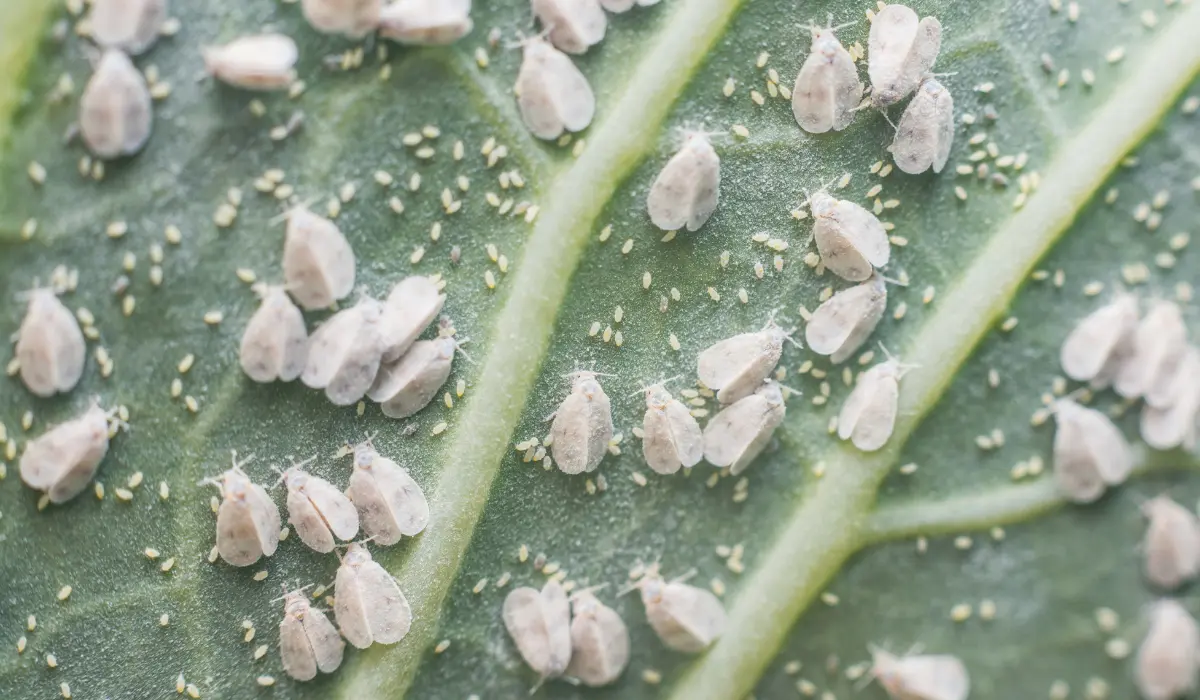
Every gardener knows the heartbreak of seeing thriving plants suddenly wilt, leaves riddled with holes, or fruits scarred by uninvited guests.
But over the years, I’ve learned that keeping pests away doesn’t have to mean resorting to harsh chemicals. A natural, balanced garden can defend itself remarkably well when you understand how to support it.
In this post, I’ll share how I naturally manage pests in my vegetable garden, using strategy, observation, and respect for the ecosystem.
Understand the Ecosystem in Your Garden
The first thing I realized about pest control is that a garden isn’t just a collection of plants, it’s a living ecosystem. Every insect, bird, and microorganism plays a role, and when that balance is healthy, pests rarely take over.
Instead of viewing every bug as an enemy, I’ve learned to observe which species help and which harm. A few aphids on kale aren’t a crisis if ladybugs are nearby; they’ll handle the problem for me.
Observation is my most valuable tool. I spend time each morning walking through the garden, checking under leaves, noting which plants attract trouble, and spotting early signs of imbalance.
Catching problems early allows me to act gently, like removing infested leaves or adjusting spacing, before things escalate. The goal is prevention, not reaction.
When I began treating the garden as a whole system rather than isolated plants, I saw fewer outbreaks. Pests thrive where conditions favor them: overcrowded plants, weak soil, or a lack of natural predators. Understanding those relationships gave me control, not through force, but through balance.
Using Companion Planting to Repel Pests
Companion planting is one of the oldest and most effective natural pest deterrents I use. By pairing certain plants together, I can confuse pests, repel them, or lure them away from my vegetables.
For example, basil planted next to tomatoes keeps aphids and whiteflies away while enhancing tomato flavor. Marigolds release compounds that repel nematodes in the soil, and their bright flowers attract beneficial pollinators too.
This approach isn’t just about pest control; it’s about creating harmony in the garden. I often interplant herbs and flowers among my vegetables to break up scent trails that pests follow.
Strong-smelling plants like garlic, chives, and mint are especially good at masking the smell of tender crops like lettuce or cabbage. It’s nature’s camouflage system.
I’ve also noticed that companion planting encourages biodiversity. Instead of neat rows of the same crop, I grow a mosaic of colors, textures, and scents.
This not only looks beautiful but also makes it harder for pests to spread from one plant to another. The more diversity, the stronger the garden’s natural defense.
Encouraging Beneficial Insects and Predators
If I had to choose one principle that transformed my pest management approach, it would be attracting beneficial insects. Ladybugs, lacewings, hoverflies, spiders, and even small birds are my best allies.
These creatures hunt aphids, caterpillars, and other pests far more efficiently than I ever could. But they need the right environment to stick around.
I plant nectar-rich flowers like dill, yarrow, and cosmos to feed beneficial insects when pest populations are low. Water sources, like shallow dishes filled with pebbles, give them a place to drink safely.
I also avoid using any broad-spectrum sprays, even natural ones, when these allies are active, they’re too valuable to risk harming.
Over time, I noticed something beautiful: once these beneficials establish themselves, the garden regulates itself. I might see a brief spike in pests, but predators quickly catch up.
The goal isn’t to eliminate pests entirely; it’s to reach a healthy balance where no species dominates. That’s when a garden truly becomes self-sustaining.
Organic Sprays and Natural Barriers
Of course, there are times when even a balanced ecosystem needs a little help. That’s when I turn to organic sprays and physical barriers.
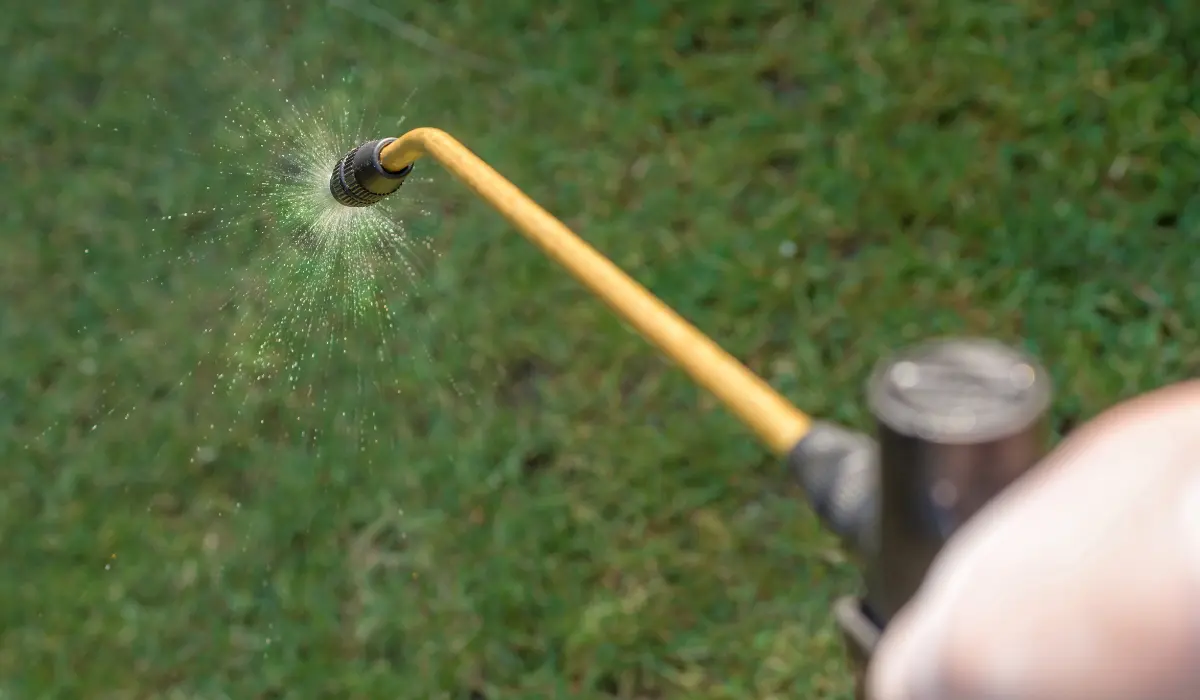
Neem oil, diluted properly, disrupts pest growth without harming most beneficial insects. A mild soap and water solution can control aphids or mites, while garlic and chili sprays discourage chewing insects with their strong scent.
Physical barriers are equally effective, especially for young seedlings. Lightweight row covers keep out cabbage moths and beetles, while crushed eggshells or copper tape deter slugs and snails.
I’ve also found that a sprinkling of diatomaceous earth around the base of plants creates a fine but effective barrier against crawling insects.
Timing and moderation matter. I apply sprays early in the morning or at dusk when pollinators are less active, and I always test on a small section before treating the whole plant. The goal isn’t to sterilize the garden but to nudge it back toward balance when it tips too far.
Soil Health and Plant Strength
Healthy soil is the foundation of pest resistance. I’ve seen firsthand that strong, well-fed plants are far less attractive to pests than weak, nutrient-deficient ones.
That’s why I focus heavily on soil health, through composting, mulching, and regular additions of organic matter. The richer and more alive the soil, the stronger the plants that grow from it.
Crop rotation is another key strategy. I never plant the same family of vegetables in the same spot two years in a row. This prevents soil-borne pests and diseases from building up. Legumes like peas and beans replenish nitrogen, while deep-rooted crops like carrots help break up compacted soil.
Equally important is feeding the soil’s microbial life. Beneficial bacteria and fungi form symbiotic relationships with plant roots, helping them absorb nutrients and fend off pathogens. When the soil is alive, the entire garden benefits, and pests have fewer opportunities to exploit weakness.
Mindful Garden Maintenance and Seasonal Practices
Even with a balanced ecosystem, a garden still needs attentive maintenance. Regular weeding, pruning, and clearing away dead leaves prevent pests from finding shelter and breeding grounds. I’ve learned not to leave old plants or fallen fruit lying around; they quickly become homes for unwanted insects.
Seasonal awareness also plays a big role. In the cooler months, I rotate cover crops like clover or rye to enrich the soil and disrupt pest life cycles.
In spring, I inspect overwintered beds carefully before planting. A few minutes of vigilance at the start of the season saves me hours of pest control later.
Every garden has its rhythm, and learning to read it makes a huge difference. When I work with the natural cycles, giving the soil rest, timing plantings with the weather, and responding early to changes, pests simply don’t gain a foothold. Nature rewards patience and consistency.
Final Thought
Keeping pests away naturally isn’t about fighting against nature; it’s about collaborating with it. The more I’ve embraced this mindset, the easier gardening has become.
Instead of reacting in frustration, I observe, adjust, and trust the system I’ve built. A garden that thrives naturally isn’t just pest-free, it’s alive, resilient, and deeply rewarding.
Thankyou for this most valuable info.
Yow Welcome Michele.