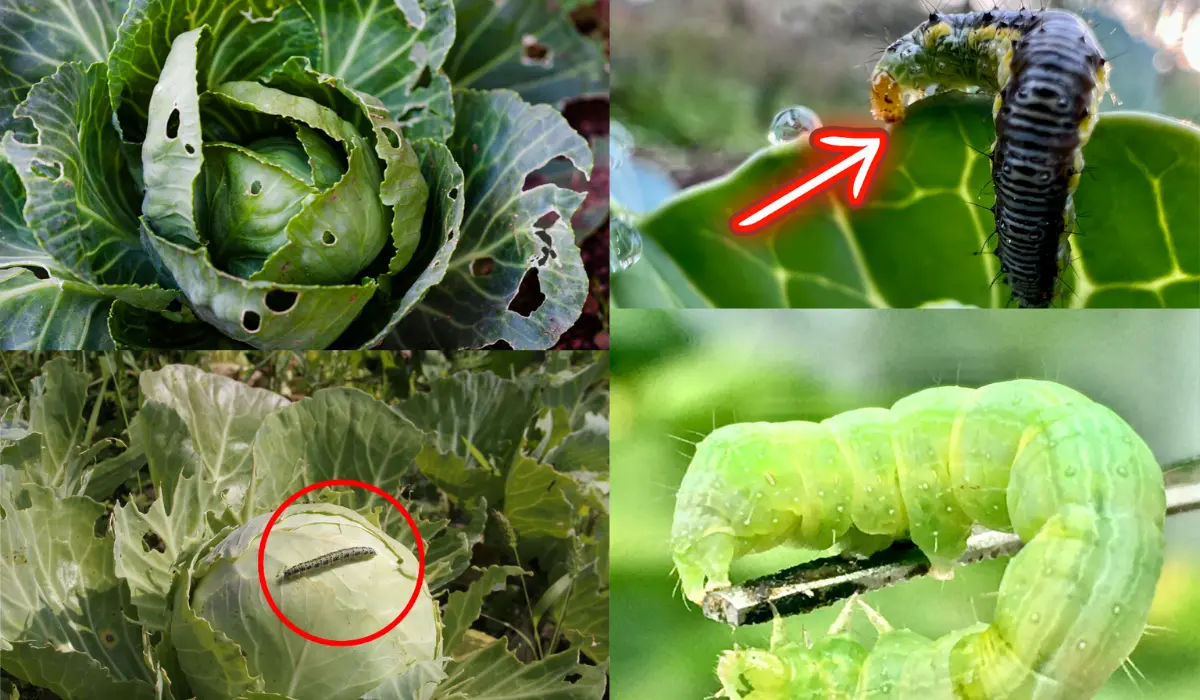
I’ve grown cabbage, broccoli, and kale long enough to know that few pests cause as much frustration as cabbage worms. These little green caterpillars can devastate a healthy crop in days if left unchecked.
Over time, I’ve learned that prevention and consistent management make all the difference. Let me walk you through how I prevent and treat cabbage worm infestations in my own garden so you can keep your brassicas thriving.
What are Cabbage Worms?
Cabbage worms are the larval stage of moths and butterflies, most commonly the imported cabbage worm and the cabbage looper.
The adult insects lay eggs on the undersides of brassica leaves, and within days, hungry green caterpillars emerge. They may look harmless at first, but their appetite is relentless.
The life cycle is important to understand because it explains why these pests are so persistent. Adults are highly mobile, laying dozens of eggs per plant, and multiple generations hatch throughout the season.
This means I’m not just dealing with one wave of caterpillars but an ongoing cycle of feeding and reproduction.
I can usually tell I have cabbage worms when I see irregular holes in the leaves, frass (dark droppings) scattered around, or the worms themselves curled up on the veins.
Spotting them early makes all the difference because by the time the core leaves are chewed, recovery is slow.
Also Read: How to Get Rid of Tomato Black Flies Using Apple Cider Vinegar
Why Prevention Matters
When it comes to cabbage worms, prevention saves me hours of frustration later. If I ignore the problem, these caterpillars multiply quickly, and suddenly I’m fighting an uphill battle.
Stopping them before they spread keeps my plants healthier and my workload lighter.
Unchecked infestations don’t just make cabbage leaves unsightly; they can stunt growth, reduce yields, and in severe cases, kill seedlings.
Worms burrow into heads of cabbage and florets of broccoli, making them nearly impossible to salvage. That’s a loss I’d rather avoid.
By focusing on prevention, I also reduce my reliance on sprays and reactive measures. A balanced approach means I spend less money, use fewer inputs, and enjoy cleaner, more sustainable harvests.
Prevention isn’t just smart, it’s the foundation of resilient gardening.
Cultural Practices for Prevention
One of the first things I do is practice crop rotation. Cabbage worms target brassicas specifically, so if I plant cabbage in the same spot every year, I’m practically inviting them back.
Rotating with non-host crops like beans or onions breaks the cycle and keeps populations from building up.
Companion planting is another tool I rely on. Strong-scented herbs like thyme, dill, and sage help confuse adult moths and butterflies, making it harder for them to find a host.
Even flowers like nasturtiums draw pests away from my main crops. A diverse garden isn’t just pretty, it’s a natural defense system.
I also use floating row covers early in the season. These lightweight fabrics physically block egg-laying adults while letting sunlight and rain reach the plants.
As long as I anchor the edges securely, I can grow young brassicas under protection until they’re strong enough to withstand minor pest pressure.
Natural and Biological Controls
Nature gives me allies in the fight against cabbage worms. Parasitic wasps, for example, lay their eggs inside the caterpillars, eventually killing them.
Ladybugs and lacewings feed on cabbage worm eggs and young larvae. Encouraging these insects by planting nectar-rich flowers pays off.
Birds are another line of defense. Chickadees, sparrows, and even backyard chickens love snacking on cabbage worms. By creating a bird-friendly space with perches, water sources, and hedges, I invite natural predators to do the hard work for me.
When pest pressure is high, I turn to Bacillus thuringiensis (Bt), a naturally occurring bacterium that targets caterpillars specifically.
Bt is safe for humans, pets, and pollinators, but lethal to cabbage worms once ingested. I apply it carefully in the evening when pollinators are less active, and it remains one of my most effective biological controls.
Organic Spray Solutions
Sometimes prevention and predators aren’t enough, and that’s when I use sprays. A simple soap solution suffocates soft-bodied pests, while neem oil disrupts their feeding and growth.
Garlic and chili sprays add another layer of deterrence, making leaves less appetizing.
The key is to spray responsibly. I apply only when I see active worms and focus on leaf undersides where eggs and larvae hide.
Spraying in the early morning or late evening helps protect beneficial insects and reduces the chance of leaf burn.
I’ve also learned that timing is everything. Sprays are most effective on young larvae before they burrow deeper into the plant. Regular monitoring means I can catch them at the right stage and minimize repeated applications.
Mechanical and Manual Control
Handpicking is old-fashioned, but it works. I inspect my plants every few days, especially in peak season, and remove any worms or eggs I find.
A small bucket of soapy water nearby makes disposal quick and clean.
Strong blasts of water also dislodge caterpillars, especially from kale and collards. While it doesn’t kill them outright, it weakens their grip and makes them easy prey for ground beetles and birds. It’s a simple, chemical-free way to tip the balance in my favor.
Mulching can also disrupt the cabbage worm life cycle. Many pupate in the soil beneath plants, so a thick mulch layer makes it harder for them to emerge or return. I use straw or shredded leaves both to suppress weeds and to reduce pest survival rates.
Long-Term Integrated Approach
The best results come when I combine these methods into an integrated system. Row covers protect young plants, companion plants provide natural repellents, beneficial insects keep populations in check, and sprays or handpicking serve as backup.
No single method works perfectly on its own, but together, they create balance.
Consistent monitoring is essential. I make a habit of walking through my brassica beds at least twice a week, turning leaves over, and checking for signs of eggs or frass. Early intervention prevents outbreaks from getting out of control.
Over the years, I’ve realized that my goal isn’t to wipe out every cabbage worm but to keep them below damaging levels. A thriving garden is about balance, and once I embraced that, I stopped stressing over the occasional hole in a leaf and started celebrating healthier harvests overall.
FAQs
They’re most active in spring and summer, but in warm climates, they may persist nearly year-round. Chemicals may kill worms quickly, but natural and integrated methods provide long-term control without harming beneficials. At least twice a week during the growing season, especially when plants are young and most vulnerable. What time of year are cabbage worms most active?
Do chemical pesticides work better than natural methods?
How often should I check my plants for cabbage worms?