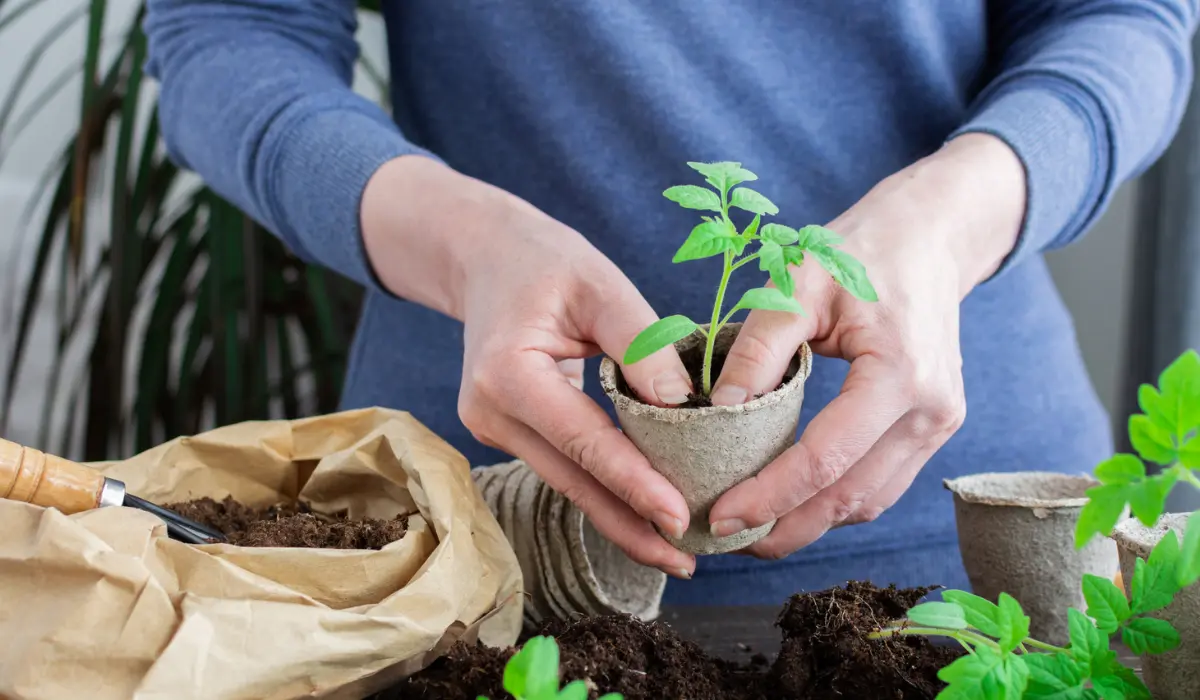
Every time I transplant a plant, I know I’m asking it to endure a major shock. Even when I do everything right, the sudden change in environment and the disturbance to its roots can leave it weak and stressed.
Over the years, I’ve learned that the period right after transplanting is crucial, and how I care for my plants in that window determines whether they merely survive or truly thrive.
What is Transplant Shock?
Transplant shock isn’t a vague gardening myth, it’s a real, visible stress response. When I move a plant, I’m disrupting its root system, which is its lifeline. Even a careful move inevitably severs some fine feeder roots, the ones responsible for drawing in water and nutrients.
At the same time, the plant must adjust to new soil, different moisture levels, and perhaps a change in light or wind exposure. That’s a lot to handle all at once.
I’ve noticed that the early warning signs of transplant shock are easy to miss if I’m not paying attention. Wilting leaves that don’t perk up after watering, yellowing edges, or slowed growth are my first clues.
Sometimes the plant looks perfectly fine for a few days and then suddenly crashes, because the stress doesn’t always show immediately. Recognizing these signals quickly is half the battle.
The other half is reminding myself that this stress is normal. A plant isn’t dying just because it looks weak right after being moved. It’s recalibrating. My job isn’t to panic or overcompensate, but to create the conditions that let it recover its strength.
Also Read: These 5 Companion Plants Will Help Your Zucchini Grow Bigger Without Needing Chemicals
Watering with Precision
One of the easiest mistakes I made when I first started transplanting was drowning my plants in water. I thought more was better. But overwatering suffocates roots just as quickly as neglect dries them out. After a transplant, what my plant really needs is consistent moisture, not extremes.
I water deeply right after planting so the soil settles around the roots, filling in any air pockets. From there, I check the soil before adding more water. If the top couple of inches are dry, I water again. If they’re still moist, I wait. This rhythm keeps the soil evenly damp without becoming soggy.
Soil type plays a huge role here. My sandy soil dries out quickly, so I water more often but with less volume. My clay soil, on the other hand, holds onto water longer, so I let it dry out a little more before watering again. Learning to read the soil has been just as important as learning to read the plant.
Creating the Right Environment
A plant fresh from transplant is like someone moving into a new house, they need time to adjust. If I throw it into full sun after it lived in partial shade, or expose it to constant wind, I’m stacking stress on top of stress. That’s why I pay close attention to its immediate environment.
When I move an indoor plant outdoors, I gradually acclimate it. I start by giving it a few hours of morning light, then slowly increase exposure until it can handle the full day.
For outdoor garden plants, I sometimes put up temporary shade cloths, especially in the heat of summer. Protecting them from harsh sun and drying winds gives their roots more time to settle.
I also use mulch generously after transplanting. A layer of organic mulch keeps the soil cooler, slows evaporation, and reduces weed competition. More importantly, it creates a stable microclimate around the roots, which helps the plant bounce back faster.
Root Care and Soil Support
I always remind myself: the roots are the real focus after a transplant. If they recover, the top growth will follow. That’s why I avoid compacting the soil around them too tightly, it needs to be firm enough to support the plant, but loose enough to let air and water move freely.
Whenever possible, I enrich the soil with compost or organic matter before planting. This not only feeds the soil microbes that support root health but also improves the structure, giving roots an easier path to grow into. If the soil is poor, no amount of watering or sunlight can fully revive the plant.
Occasionally, I’ll use a root stimulant or diluted seaweed extract. These aren’t magic potions, but I’ve noticed they can encourage new root growth and help plants adjust faster. The key is to use them sparingly, as supplements, not replacements for good soil and care.
Reducing Plant Stress
It’s tempting to think I should give a newly transplanted plant every boost possible, fertilizer, extra pruning, rapid growth formulas—but I’ve learned that less is often more.
Fertilizer, especially high-nitrogen kinds, can overwhelm stressed roots. Instead of pushing the plant to grow, I let it focus on healing below the surface.
That doesn’t mean I ignore the top growth entirely. If a plant has broken branches or heavily wilted leaves, I prune those away. This reduces the strain on the roots since they don’t have to support damaged or unproductive growth.
But I never prune aggressively after transplanting; it’s a balancing act between reducing stress and leaving enough foliage for photosynthesis.
I also avoid moving or repotting the plant again too soon. Repeated handling only delays recovery. I remind myself that the plant needs stability more than anything else during this stage. The less I interfere, the better.
Monitoring and Patience
The hardest part of transplanting for me isn’t the work of digging or watering, it’s the waiting. Plants don’t recover overnight. Sometimes they look worse before they look better, and that’s nerve-wracking if I’m not patient.
I keep a close eye on them in the first two weeks. If they’re still wilting heavily despite proper watering, I’ll reassess the soil drainage or check for pests that might be adding stress.
But if the signs are mild, I resist the urge to overreact. I’ve learned that plants often recover quietly in their own time.
By the third or fourth week, I usually start to see new growth or stronger leaves. That’s my signal that the roots have reestablished themselves. At that point, I can gradually return to a normal care routine. Every successful recovery reinforces my confidence that patience is as important as any other tool in my gardening kit.
FAQs
No. Fertilizer can stress the roots further. Wait a few weeks until new growth appears. Check soil moisture first. If it’s neither too dry nor waterlogged, give the plant shade and time. Yes. Wilting and leaf loss often happen before the roots reestablish. Recovery usually follows. Can I use fertilizer right after transplanting?
What should I do if my plant’s leaves keep drooping?
Is it normal for a plant to look worse before it recovers?