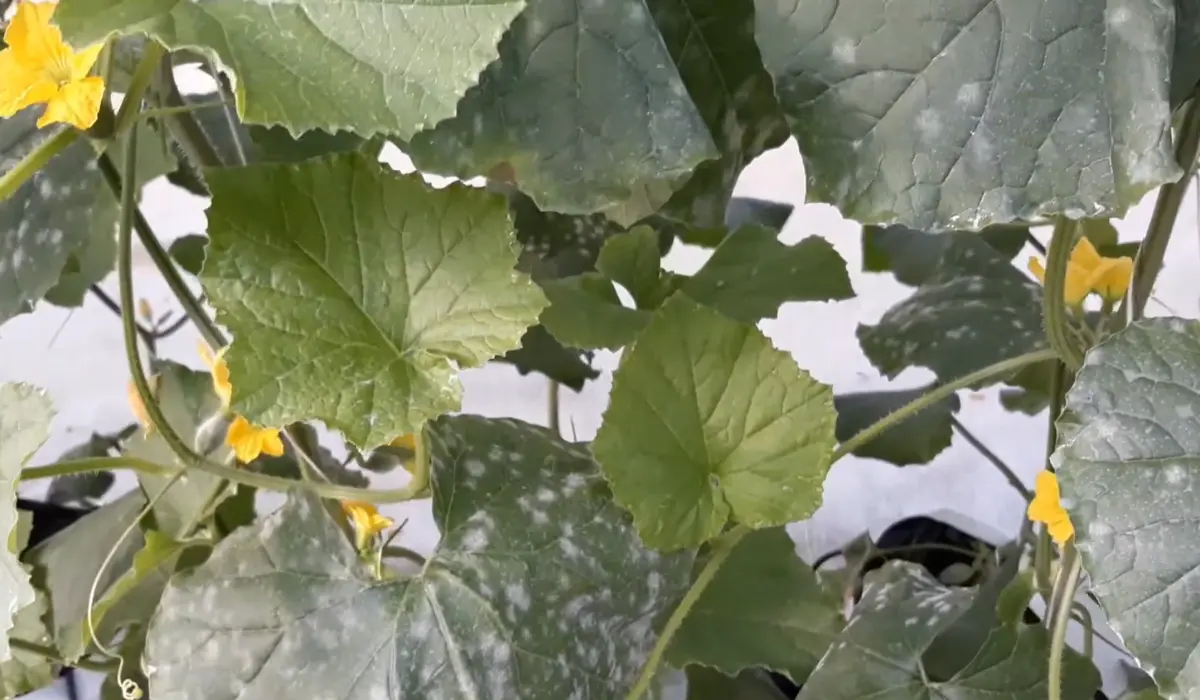
Powdery mildew is one of the most frustrating diseases I deal with in muskmelon cultivation. It doesn’t just make the leaves look sickly with their white, powdery patches, it also weakens the entire plant, lowers fruit quality, and can ruin a harvest if left unchecked.
Over the years, I’ve learned that treating powdery mildew isn’t about quick fixes but about understanding the disease, acting quickly, and combining different strategies.
In this guide, I’ll walk you through the step-by-step approach I use to manage and prevent powdery mildew in muskmelon.
What is Powdery Mildew in Muskmelon?
Powdery mildew is caused by fungal pathogens, usually Podosphaera xanthii, in cucurbits like muskmelon. It thrives on the surface of leaves and stems, appearing first as small, white, powdery spots that expand rapidly.
Unlike some other fungal diseases, powdery mildew doesn’t require standing water to spread, which makes it sneaky, it can thrive even in relatively dry conditions.
When it sets in, it weakens the plant by covering the leaf surface and reducing photosynthesis. This leads to yellowing, leaf drop, and poor fruit development.
In muskmelon, the consequences can be severe because the vines rely on healthy foliage to ripen fruit properly. If unchecked, the disease can spread across the entire crop and wipe out much of the yield.
For me, the key to tackling powdery mildew begins with awareness. I’ve trained myself and my workers to look closely at the underside of leaves, the younger shoots, and the crown area of the plants where the disease often starts.
Spotting those early signs means I can take action before the problem spirals out of control.
Also Read: How to Treat Yellow Mosaic Virus in Soybeans
Identifying Conditions That Favor Powdery Mildew
Powdery mildew doesn’t just appear out of nowhere, it thrives under very specific conditions. Warm days, cool nights, and high humidity are perfect for it.
I’ve seen it break out fastest in muskmelon fields where airflow is poor, such as when plants are grown too closely together. These microclimates trap moisture and shade, giving the fungus the upper hand.
Irrigation practices also play a role. Overhead watering in the evening is almost like rolling out a welcome mat for powdery mildew.
When the foliage stays damp overnight, it creates exactly the environment the fungus loves. Even if the soil is well-drained, poor leaf drying times make muskmelons vulnerable.
In my own experience, one of the worst outbreaks happened in a year when I planted too densely, thinking it would boost overall yield.
Instead, the overcrowded vines created a humid blanket, and powdery mildew spread like wildfire. That season taught me a lesson I carry forward every year: healthy spacing and airflow are the foundation of prevention.
Immediate Steps After Spotting Powdery Mildew
The moment I notice powdery mildew, I act fast. My first step is pruning out the most heavily infected leaves. This not only slows the spread but also opens up the canopy, improving airflow for the rest of the plant. I always sanitize my pruning tools with alcohol between cuts to avoid carrying spores from one plant to another.
Next, I focus on improving the plant’s environment. I thin out excessive foliage if necessary and make sure irrigation happens early in the day so leaves dry completely by nightfall.
For muskmelon in particular, avoiding excess nitrogen at this stage is critical, lush, tender growth is more susceptible to infection.
Sanitation is another immediate priority. I never leave infected leaves lying around; I remove and destroy them. Spores are easily wind-borne, and allowing debris to stay in the field only guarantees reinfection.
By taking these quick steps, I can often keep the disease from moving beyond a handful of plants.
Using Organic and Biological Treatments
Once I’ve managed the initial outbreak, I rely heavily on organic sprays. One of my go-to solutions is a simple mixture of baking soda and water, sometimes with a little horticultural oil added to help it stick.
This alters the leaf surface pH, making it less hospitable to the fungus. Another option I use regularly is diluted milk spray, which has natural antifungal properties and is safe for the plants and fruit.
Neem oil is another ally in my toolkit. It doesn’t just suppress powdery mildew but also helps deter insect pests that can further stress the muskmelon vines.
I typically spray neem in the early morning or late evening to avoid leaf burn under strong sunlight. With any organic spray, consistency matters, I reapply weekly during outbreaks.
Beyond sprays, I’ve experimented with biological controls like Trichoderma and Bacillus subtilis. These beneficial organisms colonize the leaf surface and compete with or directly inhibit powdery mildew.
While they take time to establish, they work well as part of an integrated management system. Using them has given me long-term protection and reduced reliance on chemicals.
Applying Chemical Fungicides Wisely
Despite my preference for organic methods, there are times when chemical fungicides are necessary. If powdery mildew spreads aggressively or covers a significant portion of the crop, I bring in targeted fungicides. The key is to use them strategically and not as a first resort.
I always rotate between different fungicide classes to avoid resistance buildup. For instance, I might start with a sulfur-based fungicide, then switch to a systemic one if needed.
Timing is also critical, spraying before fruit set is safer, while late applications require extra caution to meet withdrawal periods before harvest.
Safety is non-negotiable. I follow label instructions to the letter, wear protective gear, and avoid spraying during high wind or peak pollinator activity.
Fungicides are powerful tools, but misuse can harm both the crop and the environment. For me, they are a backup strategy, not the foundation of disease control.
Also Read: How To Treat Potato Virus Y (PVY) – Full Guide
Strengthening Muskmelon Plants Against Disease
Prevention starts with plant health. I’ve noticed that well-fed, balanced muskmelon vines resist infections better than stressed ones. Too much nitrogen creates lush but fragile growth, so I focus on balanced fertilization with enough potassium and calcium to strengthen tissues. Stronger leaves are less inviting to powdery mildew.
Irrigation also plays a big role. Instead of overhead watering, I use drip irrigation.
It keeps the soil moist while leaving the leaves dry, drastically lowering disease pressure. Mulching around the base of plants helps retain soil moisture and prevent splash-up of spores.
Over the years, I’ve also learned that stressed plants, whether from drought, nutrient deficiency, or insect damage, succumb more easily to powdery mildew.
By keeping muskmelon vines consistently healthy, I create a natural line of defense that makes treatments far more effective when outbreaks occur.
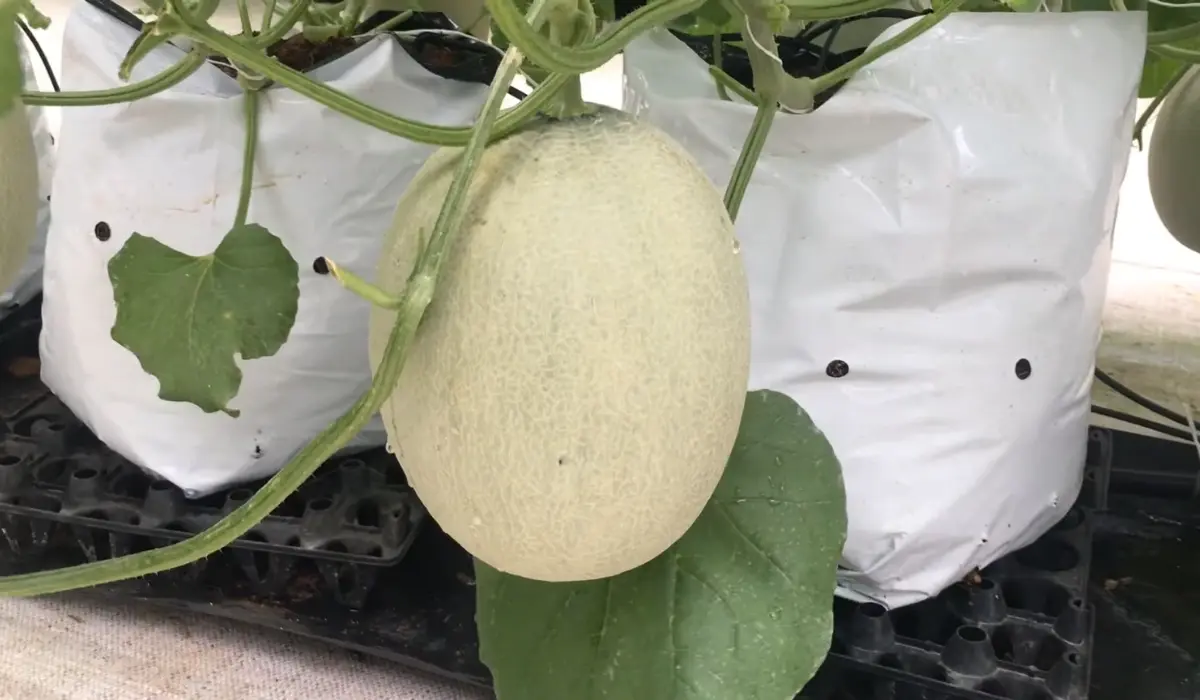
A Healthy muskmelon plant at a commercial facility
Preventing Future Outbreaks with Cultural Practices
Looking beyond one season, cultural practices shape long-term success. Crop rotation is one of my most reliable defenses. I never grow muskmelons or other cucurbits in the same spot year after year. Rotating with non-host crops breaks the disease cycle and keeps the soil healthier.
Spacing is another lesson I’ve taken to heart. Muskmelons need room to breathe. By planting with generous spacing, I reduce humidity and encourage airflow, which cuts down on powdery mildew risk.
Trellising or training vines can also help in smaller spaces by lifting foliage off the ground.
Finally, I put a lot of emphasis on resistant varieties whenever possible. While no muskmelon is 100% immune, some cultivars have stronger tolerance than others.
Combining resistant varieties with careful monitoring means I can often prevent powdery mildew from ever becoming a major issue.
FAQs
During an outbreak, I apply them weekly or after rain. Consistency is key for them to work. The disease doesn’t usually change the taste directly, but it can stunt plant growth and reduce sweetness by lowering photosynthesis. Yes, the fruits are safe to eat if they’re healthy-looking. I avoid fruit with surface mold or severe blemishes. Yes, greenhouses often have higher humidity and less airflow, which favors the disease. Proper ventilation and monitoring are critical indoors. How often should I apply organic sprays for effective control?
Will powdery mildew affect the taste of muskmelon fruits?
Can I still eat fruits from infected plants?
Is greenhouse-grown muskmelon more prone to powdery mildew?