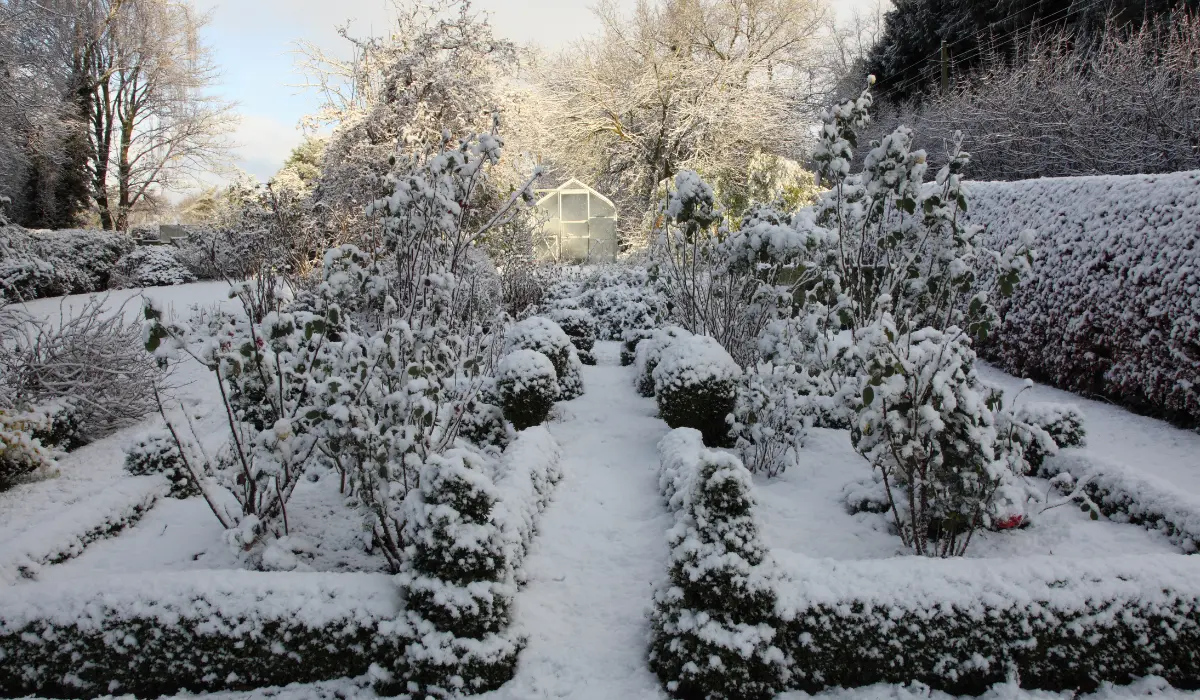
When I first started gardening, I used to think of winter as an off-season. The soil seemed too hard, the days too short, and the idea of coaxing crops out of freezing temperatures felt unrealistic.
Over time, I discovered that winter doesn’t have to be a dead zone in the garden. With the right crops and a little preparation, I can harvest fresh vegetables well into the cold months.
Winter gardening is less about fighting the weather and more about choosing vegetables that actually thrive in it.
1. Carrots
Carrots are one of my favorite root crops to grow through winter because they not only survive the cold but actually improve in flavor after frost.
Cold temperatures trigger the plant to convert starches into sugars, making the roots sweeter and crunchier. I always make sure to plant them in well-drained soil, since soggy conditions can cause rot.
Loose soil also allows the roots to develop straight and uniformly, which makes harvesting easier.
Timing is key when it comes to winter carrots. I plant them in late summer or early fall so they have enough time to establish before the deep cold sets in.
Once the ground freezes, I insulate the carrot beds with a thick layer of straw or leaves. This natural blanket prevents the soil from locking up too tightly, which means I can still pull fresh carrots weeks later.
Another reason carrots are perfect for winter gardening is their versatility in the kitchen.
Whether I roast them, add them to stews, or just eat them raw, the flavor is far superior to store-bought options during the colder months. It’s a reminder that winter gardening isn’t just about survival, it’s about taste, too.
2. Turnips
Turnips don’t get the same spotlight as carrots, but they’ve earned a permanent place in my winter garden. They’re quick growers, often maturing in just 30–60 days, which means I can still sneak in a planting in late fall and get a solid harvest before hard freezes.
What I love most is that turnips are a two-in-one crop: I get to harvest both the roots and the greens, making them doubly valuable in a small garden.
Cold weather doesn’t faze turnips much. In fact, they continue bulking up underground even as the days shorten. I’ve found that a light frost sweetens them, much like carrots, and the greens remain tender as long as I protect them from prolonged snow cover.
When I plan my winter meals, having turnips on hand feels like hitting two birds with one stone, they’re hearty enough for soups and braises, while the greens keep salads lively.
Storage is another reason I recommend turnips for winter gardeners. If I pull them all at once, I store them in a cool cellar packed in damp sand, where they last for months.
But more often, I leave them in the ground and harvest as needed, insulated by mulch. This “living pantry” approach makes turnips a reliable food source through the season.
Also Read: Why You Should Never Plant These 8 Vegetables Near Your Carrot Crop
3. Spinach
Spinach is one of the toughest leafy greens I grow, and it’s astonishing how much cold it can endure. I’ve harvested spinach after snowstorms where the leaves looked wilted, only to see them bounce back once the sun came out.
That resilience makes it a cornerstone of my winter garden. Choosing cold-hardy varieties like ‘Bloomsdale’ ensures steady growth, even when temperatures dip below freezing.
Because spinach grows quickly, I make use of succession planting. By sowing a new row every couple of weeks in fall, I ensure a steady supply well into winter.
I also use row covers or low tunnels, not so much to keep the plants alive, they’ll survive without, but to protect them from harsh winds and keep the leaves tender.
This extra step pays off when I’m craving fresh greens during the darkest days of the year.
I especially appreciate spinach in winter because it’s nutrient-dense. Rich in iron, vitamins A and C, and fiber, it boosts my diet at a time when fresh produce is often limited.
Tossed in a salad, added to omelets, or wilted into soups, spinach proves that winter gardening isn’t just about endurance, it’s about eating well.
4. Brussels Sprouts
Brussels sprouts are a crop I’ve learned to be patient with. They take their time, sometimes more than 100 days to mature, which means I start them in midsummer for a late-fall or winter harvest.
What makes them special is how frost transforms their flavor. The cold reduces bitterness and brings out a natural sweetness, making them one of the best vegetables to harvest after a hard freeze.
They’re also a long-lasting crop in the garden. Unlike many vegetables that need to be harvested all at once, Brussels sprouts mature gradually from the bottom up.
I simply snap off the lower sprouts as they reach size, leaving the plant to continue producing higher up the stalk. This staggered harvest provides fresh produce for weeks.
Another advantage is that Brussels sprouts stand tall against the cold. With sturdy stalks and thick leaves, they tolerate frost remarkably well.
I sometimes add a bit of mulch around the base to protect the roots, but the plants themselves handle winter weather better than most. Watching them soldier through freezing nights reminds me that the garden doesn’t close when the seasons change.
5. Mustard Greens
Mustard greens don’t always get the recognition they deserve, but in my experience, they’re one of the most rewarding crops to grow in cold weather.
Their peppery flavor can be bold, especially in warmer months, but frost actually mellows it out, giving them a richer, more complex taste. For anyone who wants a leafy green that wakes up the palate in winter, mustard greens are the answer.
They grow fast, which is ideal for winter gardening where time is short. Even after cutting, they regrow quickly, so I can harvest multiple times from the same planting.
I like to sow a patch in late summer and keep it going through winter with simple row covers. Once protected from extreme conditions, they’re remarkably resilient.
Mustard greens also bring diversity to the plate. Their leaves can be sautéed, steamed, or added raw to salads for a spicy kick. In a season when meals can feel repetitive, mustard greens keep my cooking creative.
For me, that’s part of the joy of winter gardening, finding crops that not only survive but inspire new flavors in the kitchen.
6. Lettuce
Most people think of lettuce as a delicate summer crop, but certain varieties thrive in cooler weather. I prefer winter-hardy types like ‘Winter Density’ and ‘Arctic King,’ which hold up surprisingly well when temperatures drop.
The trick is choosing the right type of lettuce, because not all can withstand frost.
I often use the cut-and-come-again method with lettuce in winter. By snipping leaves rather than pulling entire plants, I extend the harvest for weeks.
Even when growth slows in December and January, the plants continue producing enough to keep me stocked with fresh salads. It’s a simple pleasure to gather greens straight from the garden when everything else outside looks barren.
Protection plays a role here, too. I often use cloches or low tunnels to keep lettuce from freezing solid. These small structures don’t require much investment but make a huge difference in quality.
Fresh lettuce in the middle of winter feels like a luxury, and with a little planning, it’s entirely possible.
Also Read: Why Every Gardener Must Grow These 6 Root Vegetables According to Experts
7. Cabbage
Cabbage is another cold-weather champion. Its dense heads insulate themselves, which allows them to sit in the garden long after frost arrives.
I’ve even harvested cabbage under a dusting of snow, and the heads remained crisp and flavorful. For gardeners who want a dependable storage crop, cabbage is hard to beat.
The key is choosing varieties suited to winter. Some cabbages mature faster but don’t store as long, while others take more time yet last well into spring when kept in a root cellar.
I grow a mix to balance immediate use with long-term storage. By staggering maturity, I always have fresh cabbage ready without losing any to splitting or rot.
Pest management is another factor. While cold weather reduces pressure from common cabbage pests, I still protect seedlings early on with row covers.
Once established, cabbage can take care of itself. And since it stores beautifully, either as whole heads or fermented into sauerkraut, it remains one of my most practical winter vegetables.
8. Broccoli
Broccoli is a staple in my winter garden, though it requires careful timing. I start plants in late summer so they’re ready to produce in fall and continue into early winter.
The main heads develop first, and once I harvest them, side shoots keep sprouting for weeks, giving me a steady supply of smaller florets.
Cold weather improves broccoli’s flavor, just like with many other brassicas. The frost brings out a mild sweetness that you’ll never find in grocery-store broccoli.
I protect the plants with mulch around the base, which helps the soil hold warmth and moisture. With this extra care, they produce longer into the season.
The nutritional benefits of broccoli also make it worth the effort. Packed with vitamin C, vitamin K, and fiber, it’s a health boost during a time when fresh produce can be scarce.
Having broccoli straight from the garden in the middle of winter feels like I’m getting away with something, fresh, local, and deeply nourishing.
9. Kale
Kale is hands down the toughest green in my garden. Not only does it survive frost, but it actually thrives in it. The leaves grow sweeter and more tender after freezing nights, which is why kale is one of my go-to crops for winter harvests.
In fact, I’ve picked kale after snowstorms and found it perfectly crisp and delicious.
The beauty of kale is how it keeps giving. I harvest outer leaves as needed, and the plant keeps producing from the center. This cut-and-come-again approach means I can harvest from the same kale patch all season long.
With minimal protection, it’s one of the most reliable leafy greens I grow.
Kale’s versatility also makes it invaluable. I use it in soups, sautés, and even as crispy chips roasted in the oven. In the depth of winter, when food variety narrows, kale provides consistent nutrition and flavor.
If I could only grow one leafy green in winter, kale would be my first choice.
10. Cauliflower
Cauliflower is a little more finicky than some of the other brassicas, but with the right care, it rewards me with compact, creamy heads.
Timing is crucial; I start cauliflower early enough in late summer to ensure heads mature before extreme cold sets in. If the weather turns too harsh, I use row covers to shield them from frost.
One trick I use is blanching the heads by tying the outer leaves over them. This protects the curds from discoloration and keeps them tender. Without this step, heads can yellow or turn bitter in cold weather.
It takes extra attention, but the payoff is well worth it.
Cauliflower is one of those vegetables that feels like a luxury in winter. Whether roasted, mashed, or added to stews, its versatility makes it a star on the table.
Growing it successfully in winter always feels like a triumph, a reward for the effort and timing it takes.
FAQs
Adding organic matter improves soil structure, and mulching heavily prevents the ground from freezing solid, making harvesting easier. Kale is the most forgiving. It thrives in frost, grows continuously, and requires minimal protection. Frost triggers plants like carrots, kale, and Brussels sprouts to convert starches into sugars, which makes them taste sweeter. Absolutely. Starting seeds indoors gives plants a head start, especially for slower growers like Brussels sprouts and cauliflower. How do I keep soil workable in freezing conditions?
What’s the easiest hardy vegetable for beginners?
How do frosts actually improve the taste of some crops?
Can I start winter crops indoors and transplant them?