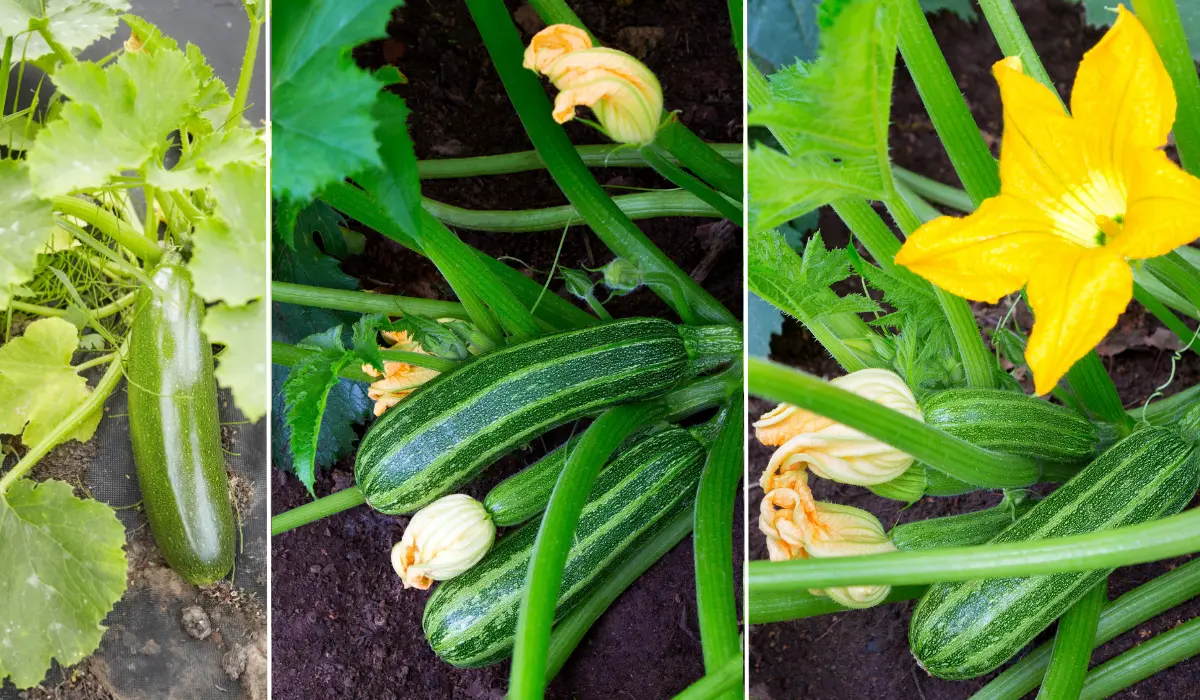
Zucchini has always been one of my most rewarding crops, but it’s also one of the most demanding. It’s a heavy feeder, prone to pests, and quick to show stress if the soil or conditions aren’t right.
Instead of relying on chemical fertilizers or pesticides, I’ve learned that pairing zucchini with the right companions creates a healthier, more balanced garden ecosystem.
The following five plants have consistently helped my zucchini grow bigger, produce more fruit, and stay resilient all season long.
Why Companion Planting Matters for Zucchini
Zucchini plants look tough on the outside with their large, spiny leaves, but in reality, they’re vulnerable. Aphids, cucumber beetles, and squash bugs can take hold fast, and without strong pollination, fruit production suffers.
On top of that, zucchini pulls a lot of nutrients from the soil, particularly nitrogen, which can leave the ground depleted if I don’t replenish it.
This is where companion planting comes in. I don’t think of my garden as separate plants; I think of it as a community. Certain plants support zucchini by repelling pests, adding nutrients, attracting pollinators, or even providing shade.
When I place the right companions nearby, my zucchini grows more vigorously, requires less intervention, and rewards me with heavier yields.
For me, companion planting isn’t just about saving effort, it’s about growing food in harmony with nature. Instead of fighting problems with chemicals, I let the plants do the heavy lifting.
1. Nasturtiums
Nasturtiums are one of the first flowers I plant around zucchini. They’re not just pretty; they’re powerful defenders. Aphids, squash bugs, and even cucumber beetles are irresistibly drawn to nasturtiums, which makes them act as a “trap crop.”
Instead of attacking my zucchini leaves, the pests cluster on nasturtiums where I can easily control them.
Another overlooked benefit is their role in attracting pollinators. Nasturtium flowers lure in bees, hoverflies, and other beneficial insects that naturally improve zucchini pollination.
Since zucchini flowers only open for a short time each morning, having pollinators buzzing nearby makes a huge difference in how many fruits set.
I usually plant nasturtiums along the edges of my zucchini beds, or sometimes even let them trail underneath. They sprawl easily, filling gaps in the soil and acting like living mulch.
This not only deters pests but also helps keep soil cool and moist, a win-win for my zucchini.
Also Read: Garden Expert Gives Tips on How to Harvest Spinach Without Damaging Your Plant
2. Radishes
Radishes are another underrated ally. I’ve found they do double duty: they deter cucumber beetles and loosen compacted soil with their fast-growing roots.
Even if I don’t harvest every radish, they improve soil texture and allow zucchini roots to spread deeper, which translates into stronger, more resilient plants.
Because radishes grow so quickly, they’re perfect for interplanting. While zucchini is still small and spreading its leaves, I tuck in a few rows of radishes nearby.
They mature in just a few weeks, long before the zucchini shades them out. By the time I pull the radishes, the zucchini is ready to take over that space.
Sometimes I even let a few radishes bolt, which attracts beneficial insects with their delicate flowers. And when the plants are past their prime, I chop them up and work them back into the soil as organic matter.
Nothing goes to waste, and my zucchini benefits from every stage of the radish’s life cycle.
3. Beans
Zucchini is a hungry feeder, particularly for nitrogen, and beans provide the perfect natural fix. Beans belong to the legume family, which means they can take nitrogen from the air and “fix” it into the soil through their root nodules.
This living fertilizer boosts zucchini growth without a drop of synthetic input.
I’ve had success planting both bush beans and pole beans near zucchini. Bush beans are compact and tuck easily around the edges of the bed, while pole beans can climb nearby trellises, making use of vertical space.
The key is spacing, beans shouldn’t crowd zucchini leaves but instead fill in the gaps.
What I especially love is how beans keep enriching the soil over time. Even after the season ends, their roots leave behind nitrogen-rich matter that improves next year’s crops. In this way, beans don’t just help zucchini in the moment, they build fertility that lasts.
4. Borage
Borage is a plant I almost consider essential in my zucchini patch. Its star-shaped blue flowers are magnets for bees, which directly improves zucchini pollination.
Without enough pollination, zucchini can produce small or misshapen fruits, but with borage nearby, I’ve noticed fuller, more consistent harvests.
Beyond pollination, borage attracts predatory insects like lacewings and parasitic wasps that naturally keep pest populations in check.
It also deters tomato hornworms and cabbage worms, which can sometimes spill over into mixed garden beds. Simply put, borage acts like a bodyguard and cheerleader for zucchini at the same time.
I also chop and drop borage leaves around zucchini plants as a mulch. The leaves are rich in minerals, particularly potassium, which zucchini needs for fruit production.
Over time, the decomposed leaves release nutrients right where the zucchini can use them.
5. Corn
Corn is one of my favorite ways to bring diversity and structure into a zucchini patch. Its tall stalks create a natural shade that helps shield zucchini leaves from the hottest afternoon sun.
This microclimate conserves soil moisture and reduces heat stress on zucchini during peak summer.
The relationship doesn’t stop there. Corn, beans, and squash have traditionally been grown together in the “three sisters” method, and zucchini adapts well to this pattern.
While the corn provides height, beans enrich the soil, and zucchini covers the ground, creating a living mulch that suppresses weeds. Together, they form a complete system.
The key with corn and zucchini is balance. Corn should be planted in clusters, not single rows, so it can pollinate properly. I place zucchini nearby, but not so close that its large leaves crowd out the corn.
Done right, both crops thrive while supporting each other naturally.
Practical Planting Layouts
Over the years, I’ve experimented with layouts that bring all these companions together. I like to plant corn in a block, add beans around its base, and position zucchini nearby so it can sprawl under the protective shade.
Nasturtiums and radishes fit nicely along the edges, while borage stands just outside the main patch, pulling in pollinators.
Spacing is critical. Zucchini needs airflow to prevent mildew, so I avoid overcrowding. Instead, I use companions as fillers in the otherwise wasted space around zucchini, especially early in the season.
This approach lets every inch of soil work for me without stressing the main crop.
One mistake I made early on was planting thirsty companions alongside zucchini. Not all plants have the same water needs, so now I group companions that tolerate the same moisture levels. With the right balance, I’ve built layouts that are productive, resilient, and chemical-free.
FAQs
I keep companions at least 12–18 inches away from the main stem of zucchini. This prevents crowding while still allowing the plants to benefit each other. Yes, but with limits. Smaller companions like radishes, nasturtiums, and bush beans do well in containers with zucchini. Larger ones like corn need more space to be effective. Potatoes and fennel are poor companions. Potatoes compete for nutrients, and fennel can stunt zucchini growth with its allelopathic chemicals. How far apart should companion plants be from zucchini?
Do these companion plants work in containers?
What should I avoid planting next to zucchini?