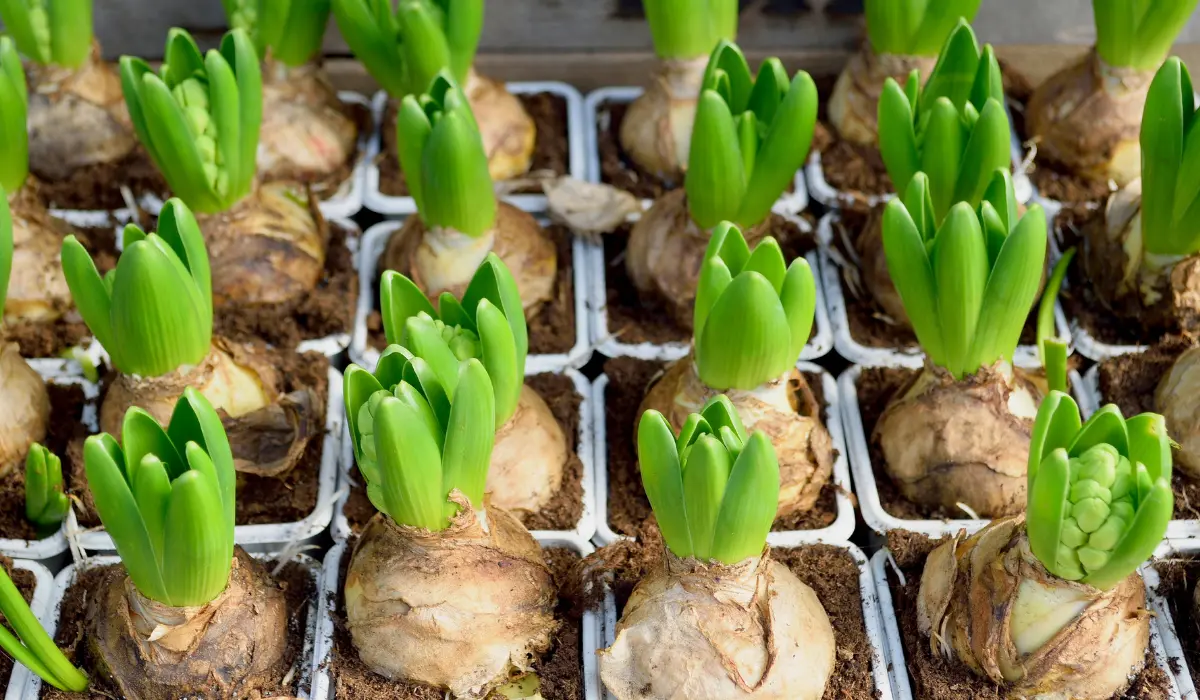
Daffodils are one of the most rewarding spring flowers I grow, bright, reliable, and resilient even after long winters. But one question I hear often, and have asked myself more than once, is: how late is too late to plant daffodil bulbs?
The truth is, timing can make or break your spring display. While daffodils are forgiving, their success depends on how well they can root and prepare for winter. Understanding their natural rhythm is the first step to getting this timing right.
Also Read: 5 Things You Should and Shouldn’t Do When Starting Tomato Seedlings Indoors
Daffodil Growth Cycles
Daffodil bulbs aren’t just dormant lumps of plant tissue waiting for warmth, they’re living storage systems that follow a seasonal rhythm. When planted, they immediately begin developing roots, even if there’s little visible growth above ground.
This early rooting is crucial because it anchors the bulb and allows it to draw in nutrients before the soil freezes. Without that head start, the bulb struggles to produce healthy leaves and flowers come spring.
The key to this process is cold dormancy. Daffodils need a chilling period of about 12 to 16 weeks to trigger flower development. The cold signals the bulb to shift from energy storage to bloom production.
If that chilling phase is cut short or skipped, the bulbs may emerge with stunted growth or no flowers at all. That’s why late planting can interfere with the bulb’s biological timeline.
Think of it like this: daffodils need time to settle in before winter locks the soil. The later I plant, the less time the bulbs have to root and prepare. That doesn’t mean late planting is hopeless, but it does mean I have to be strategic about how and where I do it.
Ideal Planting Windows by Region
In most climates, the best time to plant daffodil bulbs is in fall, typically from late September through November. The goal is to plant when the soil has cooled to around 60°F (15°C) but hasn’t frozen yet.
This gives bulbs a window of four to six weeks to establish roots before deep winter sets in. Where I live, that’s usually around mid-October, but the exact timing shifts with geography.
For northern regions where frost arrives early, I recommend planting as soon as nighttime temperatures start dipping into the 40s. In milder southern or coastal climates, where soil stays workable longer, daffodil planting can extend into December and sometimes even early January.
The soil, not the calendar, is your best guide, as long as it’s still soft enough to dig and not waterlogged, you can usually plant.
Microclimates complicate the picture. Urban gardens often hold warmth longer, while open rural plots cool more quickly. Even a south-facing wall can extend your planting window by a few extra weeks.
When I’m unsure, I use a soil thermometer. It’s a simple tool, but it tells me exactly when conditions are right, or when I’m pushing the limits.
How Late Is Too Late?
The latest I can safely plant daffodils depends on one key factor: whether the bulbs can form roots before the ground freezes solid.
Once the soil reaches 40°F (4°C) or lower, root activity slows dramatically. In northern zones, that might mean early November is the cutoff; in southern zones, I might get away with December. If I wait until after the first hard freeze, I’m usually too late.
When daffodil bulbs go in too late, they face two major problems. First, shallow roots can’t access enough moisture or nutrients to fuel spring blooms.
Second, bulbs that haven’t settled are more vulnerable to frost heave, the freeze-thaw cycle that pushes them out of the soil. The result can be weak shoots or no flowers at all in the first season.
That said, I’ve had late plantings surprise me. Sometimes, if I get bulbs into the ground even just a few weeks before consistent freezing, they’ll catch enough mild days to start rooting.
They may bloom later or smaller in the first year, but they often recover beautifully by the second spring. With good soil preparation and protection, late doesn’t always mean lost.
Late Planting Techniques That Still Work
When I miss the ideal fall window, I adjust my strategy rather than giving up. One effective method is pre-chilling bulbs. By storing daffodil bulbs in a refrigerator for six to eight weeks (away from fruit, which emits ethylene gas that can damage bulbs), I mimic their natural cold dormancy.
Once chilled, I plant them in pots or outdoor beds, even in late winter, and they behave as if they’ve been through a normal season.
Container planting is another option I rely on. If my ground is frozen, I fill deep containers with potting mix and plant bulbs close together. I keep the pots in a cool but frost-free area, like a garage or unheated porch, until early spring.
Once the weather warms, I move them outside, and they bloom right on schedule. After flowering, I transplant them into the garden so they can naturalize.
For bulbs that must go in cold soil, I add a thick layer of mulch right after planting. It keeps the temperature steadier and prevents the ground from freezing too quickly.
Even a couple of inches of straw, leaves, or composted bark can make a big difference. I also water well after planting to encourage immediate root growth.
Soil Preparation and Aftercare for Late Plantings
When planting late, I pay extra attention to soil health. Daffodils hate soggy ground, standing water can rot bulbs fast.
I loosen the soil at least 8 inches deep and mix in compost or gritty sand to improve drainage. A well-prepared bed helps bulbs root faster, which is crucial when time is short before winter.
Watering late in the season can be tricky. I water thoroughly right after planting to settle the soil and activate root growth, but I’m careful not to overdo it as the temperature drops.
Consistently damp but not saturated soil is the goal. If heavy rains are forecast, I cover the area with a tarp for a few days to avoid waterlogging.
After flowering in spring, I always leave the foliage until it yellows naturally. Even if the first year’s blooms are small or sparse, that foliage is how the bulb rebuilds its energy reserves for next season.
I feed with a balanced fertilizer right after blooming, then let the bulbs rest. The following year, they usually reward the extra care with stronger, more vibrant growth.
Final Thought
The latest I can plant daffodil bulbs depends on where I live, how cold my winters are, and how well I prepare the soil. But I’ve learned that daffodils are remarkably resilient, even a late start can turn into a beautiful spring if I give them the conditions they need.
Timing matters, but so does patience and technique. As long as the ground isn’t frozen solid, it’s worth trying, daffodils have a way of forgiving those of us who plant on hope and hustle.
FAQs
Sometimes, but often they’ll focus on establishing roots. Expect stronger blooms the following year. Containers offer better control over temperature and moisture, making them ideal for late or mid-winter planting. Will daffodils bloom the first spring if planted late?
What’s better for late planting, containers or ground soil?