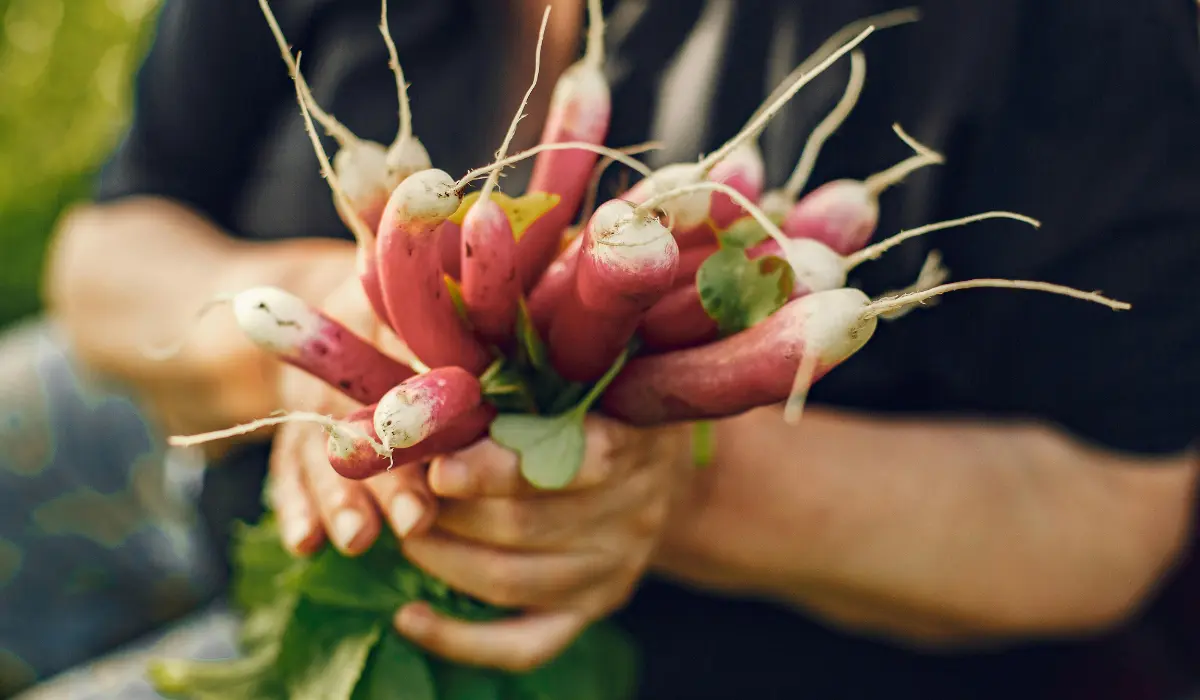
When I think about the most reliable, satisfying crops to grow, my mind always comes back to root vegetables. They don’t just sit quietly beneath the soil; they work hard to provide dense nutrition, long-lasting storage, and a level of resilience that leafy greens and delicate fruits can’t always match.
For me, they form the backbone of a productive garden, especially for anyone who values self-sufficiency and good food that actually tastes better than anything you’ll find in the store.
Over the years, I’ve experimented with countless varieties, but six root vegetables stand out as essential. Carrots, radishes, potatoes, beets, turnips, and parsnips are the crops I never skip.
Each of them brings its own strengths to the garden, and once you understand how to grow them well, they’ll reward you season after season.
Let me take you through why these roots matter, how I grow them, and what I’ve learned from both my successes and failures.
1. Carrots
Carrots are one of the first vegetables I encourage new gardeners to try, and for good reason. They’re loaded with beta-carotene, vitamins, and fiber, but beyond their nutrition, they’re endlessly versatile in the kitchen.
Roast them, juice them, shred them into salads, the possibilities are endless. What makes carrots particularly special is their ability to store well. When grown properly, they’ll hold in the ground until frost, or in a cool root cellar for months, ensuring you have a steady supply long after the harvest season ends.
Growing carrots successfully, however, requires attention to the soil. They need light, sandy soil free from rocks or compacted clumps, otherwise, you end up with twisted, stunted roots. I always take the time to loosen the soil at least a foot deep before sowing.
Thinning is another non-negotiable, if you skip it, you’ll get crowded, undersized carrots. A steady supply of water is equally important; dry spells followed by sudden watering often cause carrots to split, which ruins their storage life.
Through trial and error, I’ve also learned a few tricks for sweeter, straighter carrots. Sowing them in rows and covering the seeds lightly with compost helps them germinate evenly.
I also prefer to harvest in the cooler months, as cold temperatures convert some of the starches into sugars, giving carrots a naturally sweeter taste.
The difference is noticeable, and once you’ve tasted a fall-harvested carrot, you’ll never settle for bland, store-bought ones again.
2. Radishes
Radishes are one of the most underrated crops in the garden. They grow incredibly fast, sometimes ready in as little as three weeks, which makes them perfect for impatient gardeners or for filling gaps between slower crops.
Their peppery crunch adds a spark to salads and sandwiches, and when roasted or pickled, they take on an entirely new character that surprises people who usually dismiss them as too sharp.
But radishes aren’t just about quick snacks. They actually serve an important role in the garden itself. Their fast-growing roots help loosen compacted soil, making it easier for subsequent crops to establish.
I often use them as a companion plant, scattering radishes between rows of slower crops like carrots or parsnips. They germinate quickly, mark the rows, and are harvested long before they compete with their neighbors.
In this way, radishes do more than just feed us, they help the entire garden ecosystem thrive.
From experience, I’ve found succession planting is key. Instead of sowing a big patch all at once, I plant small amounts every couple of weeks.
This keeps me in a steady supply of fresh, crisp radishes throughout the season, rather than being overwhelmed with too many at once. Radishes may seem simple, but when you grow them thoughtfully, they become one of the most efficient crops in the garden.
Also Read: How to Successfully Grow Sweet Potatoes Indoors and Enjoy Endless Harvests
3. Potatoes
If there’s one crop that has never failed to impress me with sheer productivity, it’s potatoes. They are calorie-dense, versatile, and adaptable to almost any cooking method, mashed, fried, roasted, or stewed.
A single row of potato plants can yield buckets of food, making them a cornerstone for anyone serious about food security or self-reliance. And unlike delicate greens, potatoes store exceptionally well, often lasting through winter with the right conditions.
Potatoes do require some specific techniques, though. One of the most important is hilling: as the plants grow, I mound soil around the stems to encourage more tuber development and prevent sunlight from greening the potatoes, which makes them bitter and inedible.
Containers and grow bags also work beautifully for small spaces, allowing you to harvest fresh tubers by simply dumping out the soil.
Of course, pests like Colorado potato beetles and diseases like blight are real threats, but with vigilance and crop rotation, they’re manageable.
I’ve made my share of mistakes with potatoes, like planting them in poorly drained soil that rotted half the crop, or neglecting to rotate them and inviting blight.
But those lessons have taught me that potatoes, while forgiving, do best when you give them consistent attention. The payoff, however, is enormous, there’s nothing quite like lifting the soil to reveal a hidden treasure trove of fresh potatoes waiting underneath.
4. Beets
Beets are one of the few crops that offer a true two-for-one deal: edible roots and nutritious greens. The roots bring a deep, earthy sweetness, while the greens cook up like spinach or chard.
I appreciate that beets add not just flavor but also color to the plate, with varieties ranging from deep crimson to golden and even candy-striped. Their nutritional profile is outstanding as well, rich in folate, iron, and antioxidants.
Growing beets well comes down to managing soil and spacing. They prefer neutral to slightly acidic soil, and while they tolerate a range of conditions, they thrive in loose, well-drained ground.
Beets grow in clusters, so thinning is essential if you want well-formed roots. Watering consistently is another key factor; irregular moisture can lead to tough roots or uneven growth.
I also find that mulching helps maintain soil moisture and keeps the weeds down, which beets don’t compete well against.
I like to stagger my beet harvests by pulling some early for tender baby beets and leaving others to mature. This gives me a range of flavors and textures throughout the season.
Beets also store exceptionally well, especially if you leave a bit of the stem attached and keep them in damp sand or peat in a cool cellar. For me, beets are one of the most rewarding crops, versatile in the kitchen and dependable in the garden.
5. Turnips
Turnips are another crop that often gets overlooked, yet they deserve a spot in every garden. Both the roots and greens are edible, which makes them highly efficient.
Young turnips are tender and slightly sweet, while mature ones develop a stronger, peppery flavor. The greens, meanwhile, cook down beautifully and are packed with vitamins.
I find turnips especially valuable as a cool-season crop, thriving in conditions where other vegetables might struggle.
Like many root vegetables, turnips come with challenges. If left too long in the ground during warm weather, they can become woody or bitter.
Pests like flea beetles also love the foliage, but I’ve managed this by using row covers early on and encouraging beneficial insects in the garden.
Timing is crucial, I usually plant turnips in early spring or late summer for a fall harvest, when the cooler weather helps keep them tender and flavorful.
I also like pairing turnips with other crops in the garden. They grow quickly and can be tucked between slower vegetables, maximizing space.
For storage, I’ve found they keep best in slightly damp sand in a cool, dark place. While turnips may not be the star of every meal, their reliability and dual-purpose nature make them indispensable in a well-rounded garden.
Also Read: 5 Clever Ways to Reuse Tea Leaves in Your Garden, According to Experts
6. Parsnips
Parsnips don’t always get the attention they deserve, but I consider them a hidden gem. Their sweet, nutty flavor, especially after a frost, makes them a delight in soups, roasts, and purees.
Unlike many vegetables, parsnips improve with cold weather, as starches convert to sugars. This makes them a natural candidate for late-season harvests when other fresh crops are scarce.
That said, parsnips require patience. Their seeds are notoriously slow to germinate, often taking up to three weeks. I’ve found that keeping the soil consistently moist during this period is critical.
Their long growing season, up to 120 days, means you need to plan ahead, but the reward is worth it. Once established, parsnips are remarkably hardy and can be left in the ground through winter in many climates.
My favorite way to enjoy parsnips is after the first frost, when they’re at their sweetest. Roasted or mashed, they bring a depth of flavor you won’t find in any store-bought variety.
For me, parsnips symbolize the patient gardener’s reward: they take time, but the payoff is extraordinary.
Final Thoughts
Root vegetables have earned their place in my garden not just because they’re practical, but because they connect me to a deeper rhythm of the seasons.
They grow quietly, storing energy underground, and when the time comes, they provide abundant harvests that nourish both body and spirit.
Carrots, radishes, potatoes, beets, turnips, and parsnips each have their quirks, but together they create a balanced, resilient foundation for any home garden.
I encourage every gardener, new or experienced, to embrace these crops. Learn their habits, respect their needs, and you’ll discover just how generous they can be.
Growing root vegetables isn’t just about filling your pantry; it’s about building a relationship with food that sustains you in every sense of the word.
FAQs
Check the size by gently brushing away soil around the crown. Roots should feel firm and reach the expected diameter for their variety. Keep them in a cool, dark place with high humidity. Damp sand or peat moss in a cellar works best for long storage. Yes, but avoid too much nitrogen, which encourages leafy growth over roots. A balanced or phosphorus-rich fertilizer works better. Absolutely. Many of them grow well side by side, especially when you stagger planting times. Just be mindful of spacing to prevent crowding. How do I know when root vegetables are ready to harvest?
What is the best way to store root vegetables for winter?
Do root vegetables need fertilizer?
Can I plant different root vegetables together?